






Most people have no idea what "third-party tested" actually means. It's on a lot of supplement labels. It sounds reassuring. But what it means in practice depends entirely on who's doing the testing, and that part rarely gets explained.
So here's the full picture: what third-party testing is, why it matters, and why Simply Nootropics has moved to Eurofins.
What third-party testing actually is
When a supplement company tests its own products in-house, it's essentially marking its own homework. The same team that formulated the product, manufactured it, and stands to profit from selling it is also the one confirming it meets the standard it claims to meet. That's not necessarily dishonest, but it's not independent either.
Third-party testing means sending products to a laboratory that has no financial relationship with the brand. The lab doesn't care whether the results are good or bad. It runs the tests, documents the findings, and issues a certificate of analysis. That's it.
A thorough third-party test covers several things. First, identity testing: confirming that the ingredients listed on the label are actually present in the product. Second, potency testing: verifying that the doses match what's claimed. A supplement listing 500mg of an ingredient should contain 500mg, not 300mg, not 700mg.
Third, purity testing: screening for contaminants including heavy metals like lead and arsenic, pesticide residues, and microbial pathogens. And finally, in some cases, testing for undisclosed substances, particularly relevant in sports nutrition, where products occasionally contain compounds that aren't on the label.
The output is a certificate of analysis. It either confirms the product is what the brand says it is, or it reveals a discrepancy. There's no interpretation required.
Why dose accuracy matters more than people realise
Most people assume that if a supplement says 300mg of, let’s say, Ashwagandha, it contains 300mg of Ashwagandha. That assumption isn't always correct.
The gap between label claim and actual content is more common than it should be. Under-dosing is the most frequent issue - products that contain significantly less of an active ingredient than stated, often because high-quality ingredients are expensive and reformulating to a lower dose is cheaper than updating the label. Over-dosing is less common but also a problem, particularly with fat-soluble vitamins and minerals where excess intake can cause issues over time.
This matters because most of the research behind specific ingredients uses specific doses. If you're taking an Ashwagandha supplement based on evidence that 300mg reduces cortisol, and your supplement actually contains 150mg, you're not getting what the research supports. You're paying for a result you're unlikely to achieve.
Third-party testing closes that gap. A verified certificate of analysis means the dose on the label is the dose in the capsule.
Why purity testing matters
Contamination in supplements is less dramatic than it sounds but more common than most consumers realise. Heavy metals, like lead, mercury, arsenic, cadmium, occur naturally in soil and can concentrate in plant-based ingredients during cultivation. A raw ingredient sourced from contaminated soil can carry those metals into a finished product even if every other aspect of manufacturing is clean.
Pesticide residues follow a similar logic. Botanical ingredients like Ashwagandha, Rhodiola, and Lion's Mane are grown in agricultural settings where pesticide use varies enormously by region and supplier. Without testing, there's no reliable way to know what made it into the final product.
Microbial contamination (bacteria, yeast, mould) is particularly relevant for products that are opened repeatedly and stored at room temperature, which describes most supplements. Purity testing screens for pathogens and ensures the product is safe for consumption over its intended shelf life.
None of this is sensationalist. It's just the practical reality of manufacturing products derived from biological materials, and it's exactly the kind of risk that independent testing is designed to identify and eliminate.
Why the lab behind the testing matters
Here's the part that doesn't get talked about enough. "Third-party tested" is only as meaningful as the third party doing the testing.
A certificate of analysis issued by an internationally accredited laboratory operating within global pharmaceutical quality frameworks carries genuine weight. A certificate from a small, unaccredited lab with limited methodology transparency carries considerably less — even if both documents look similar on the surface.
Consumers generally can't tell the difference. The claim "third-party tested" looks the same on a label regardless of who did the testing or how rigorously they did it. This is why the choice of laboratory is not a minor administrative detail. It's a meaningful quality decision.
Why we've moved to Eurofins
We previously worked with ScienTEST, an Australian-based laboratory that served us well during our earlier years. The testing was legitimate and the results were accurate. But as Simply Nootropics has grown internationally, we wanted our testing to reflect that growth, and to work with a name that carries credibility across global markets, not just domestically.
Eurofins is one of the largest independent laboratory networks in the world. Over 900 laboratories. Operations in more than 60 countries. Clients that include major pharmaceutical companies, global food and beverage brands, and regulatory agencies. They're not a supplement-industry lab, they're a global scientific infrastructure, and supplements are one small part of what they test.
In practical terms, this means the methodology behind our certificates of analysis is consistent with what pharmaceutical and food manufacturers use. The standards aren't adapted for the supplement industry. They're the same standards applied across sectors where testing accuracy is non-negotiable.
Switching to Eurofins was always about aligning our testing with the scale and seriousness of what we're building, and about giving customers in every market, whether they're in New Zealand, Australia, the United States, or Europe, a reference point they can actually look up and verify independently.
What this means for you
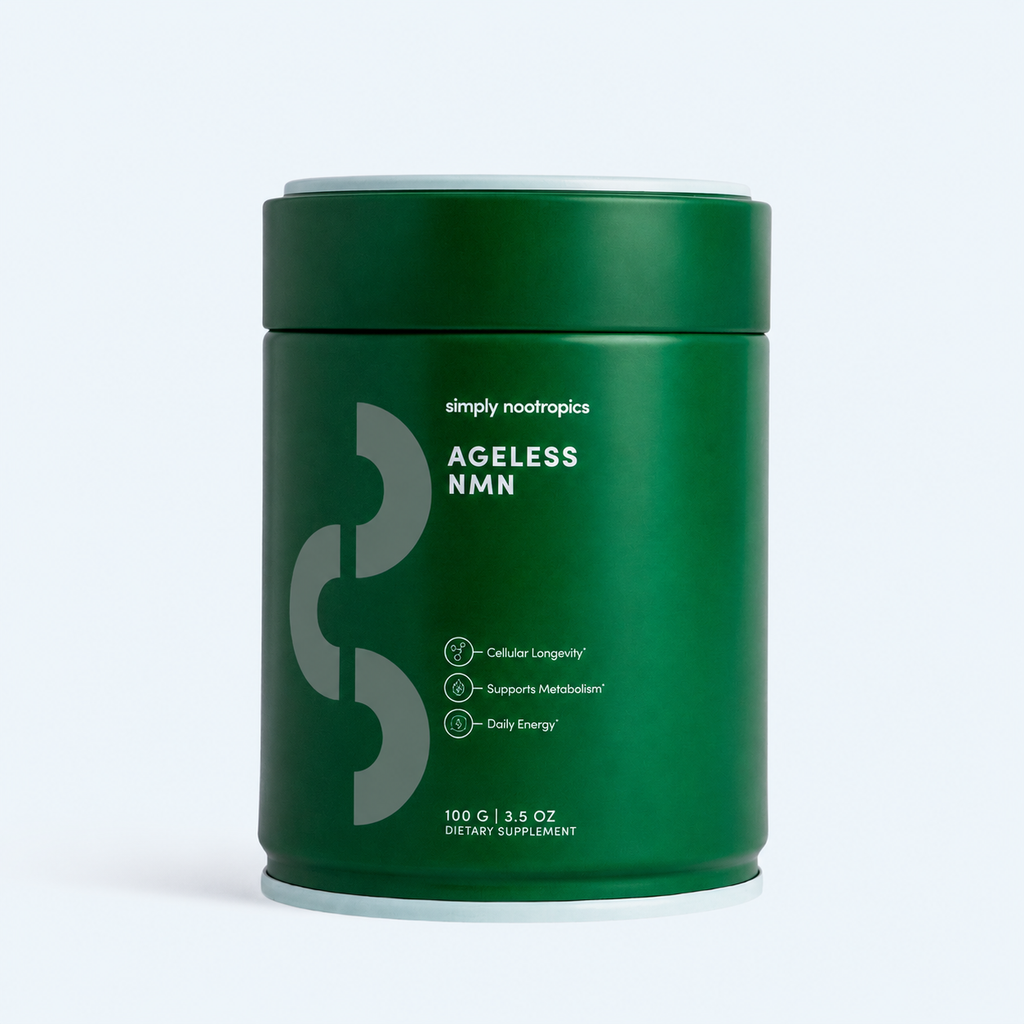
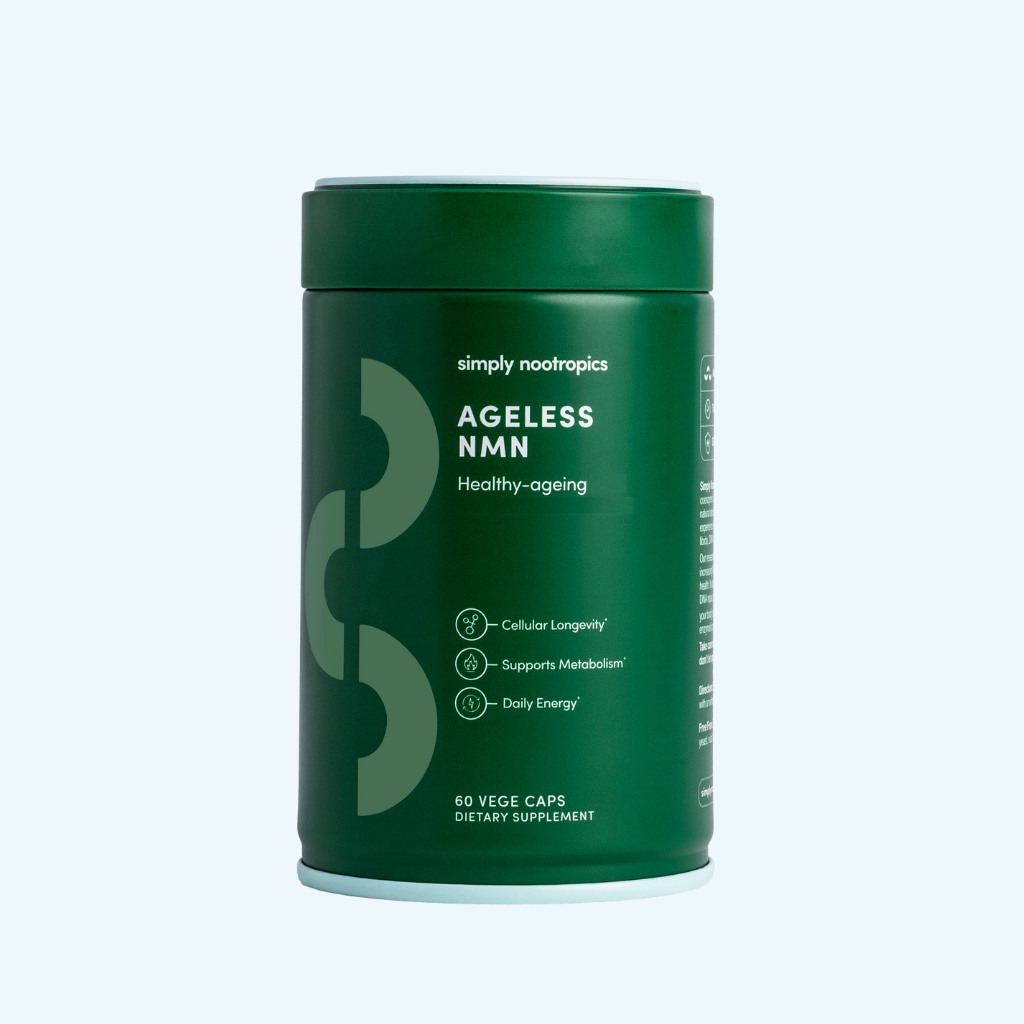
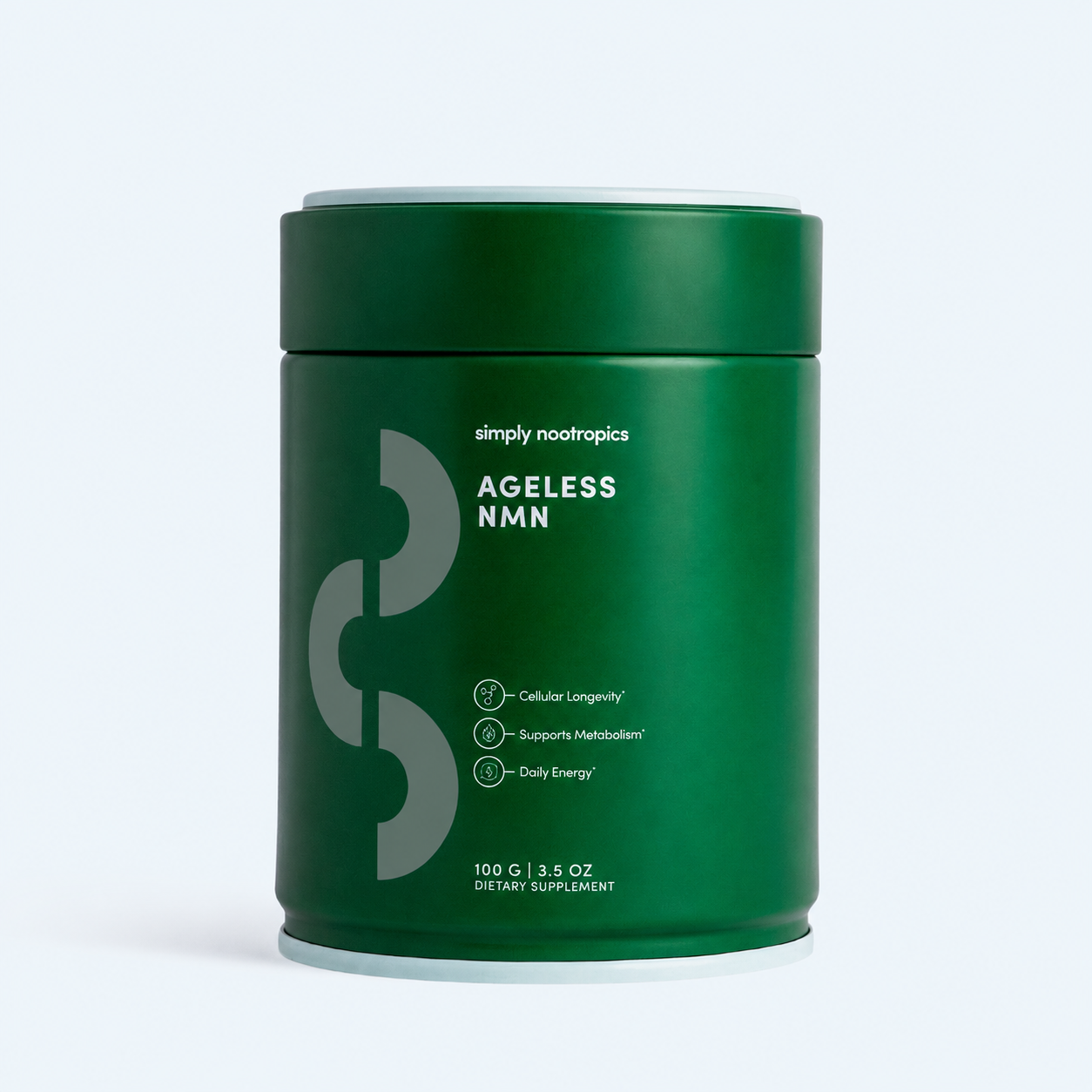
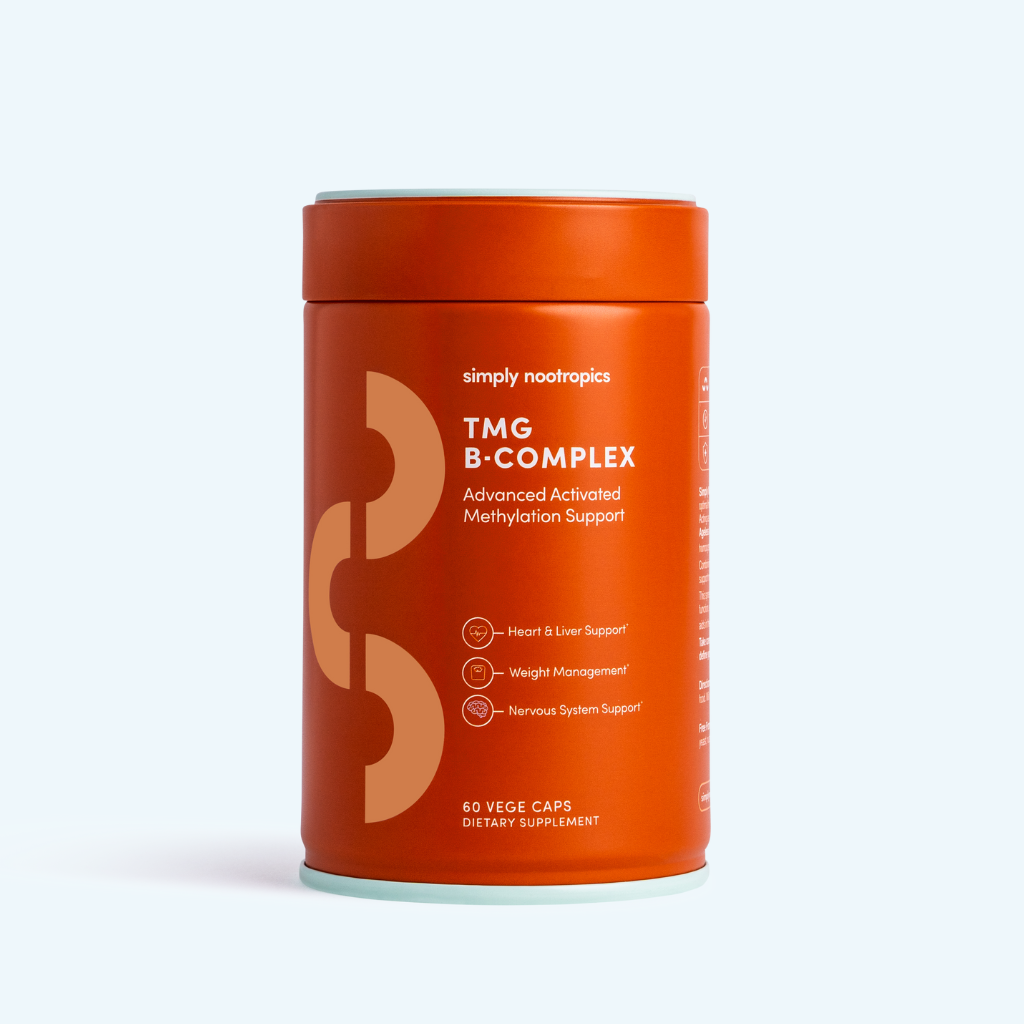
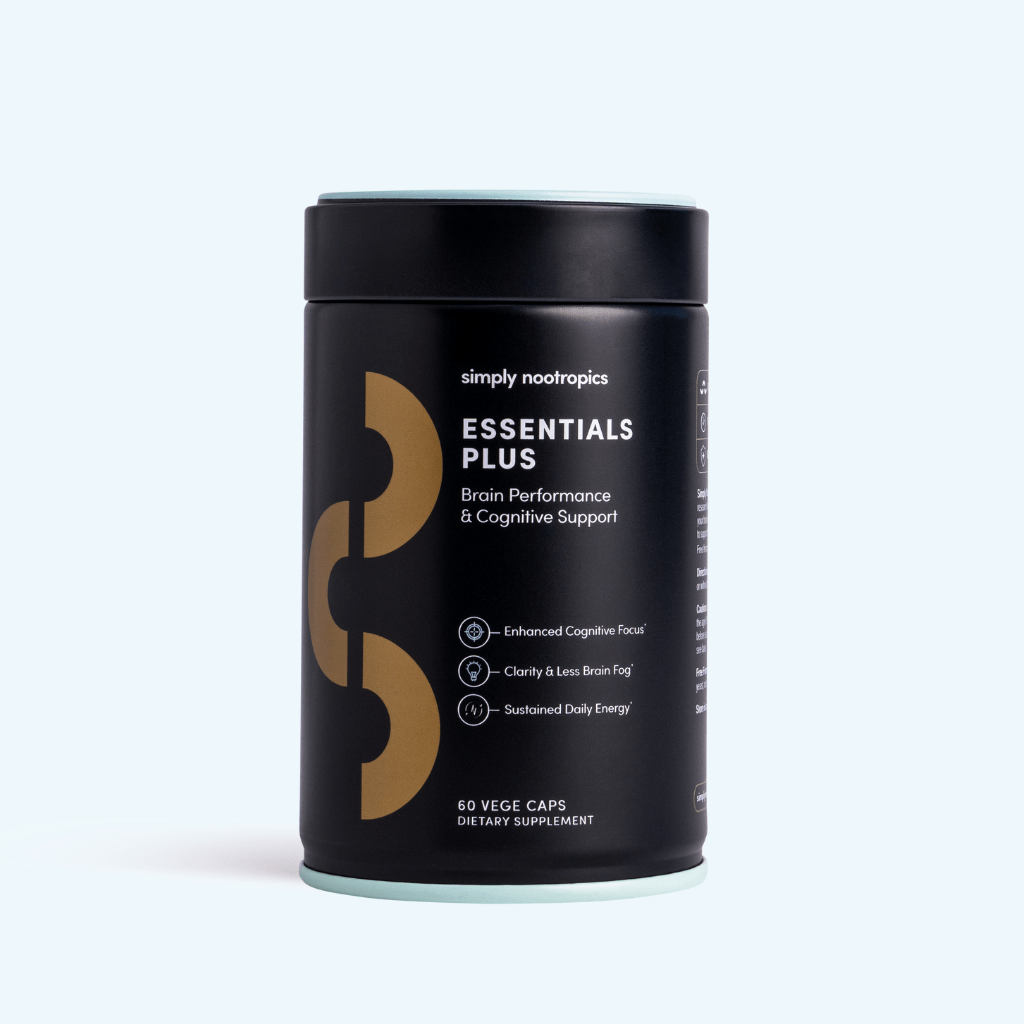
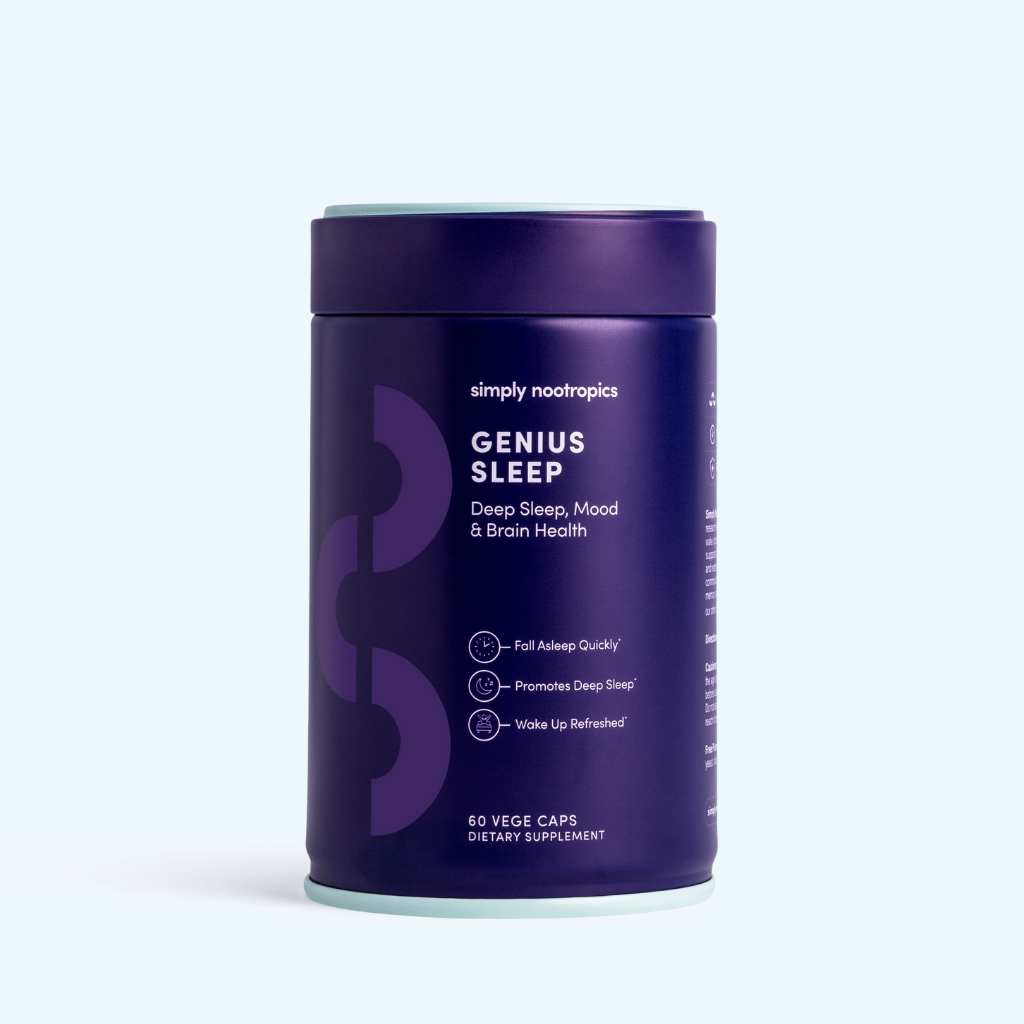
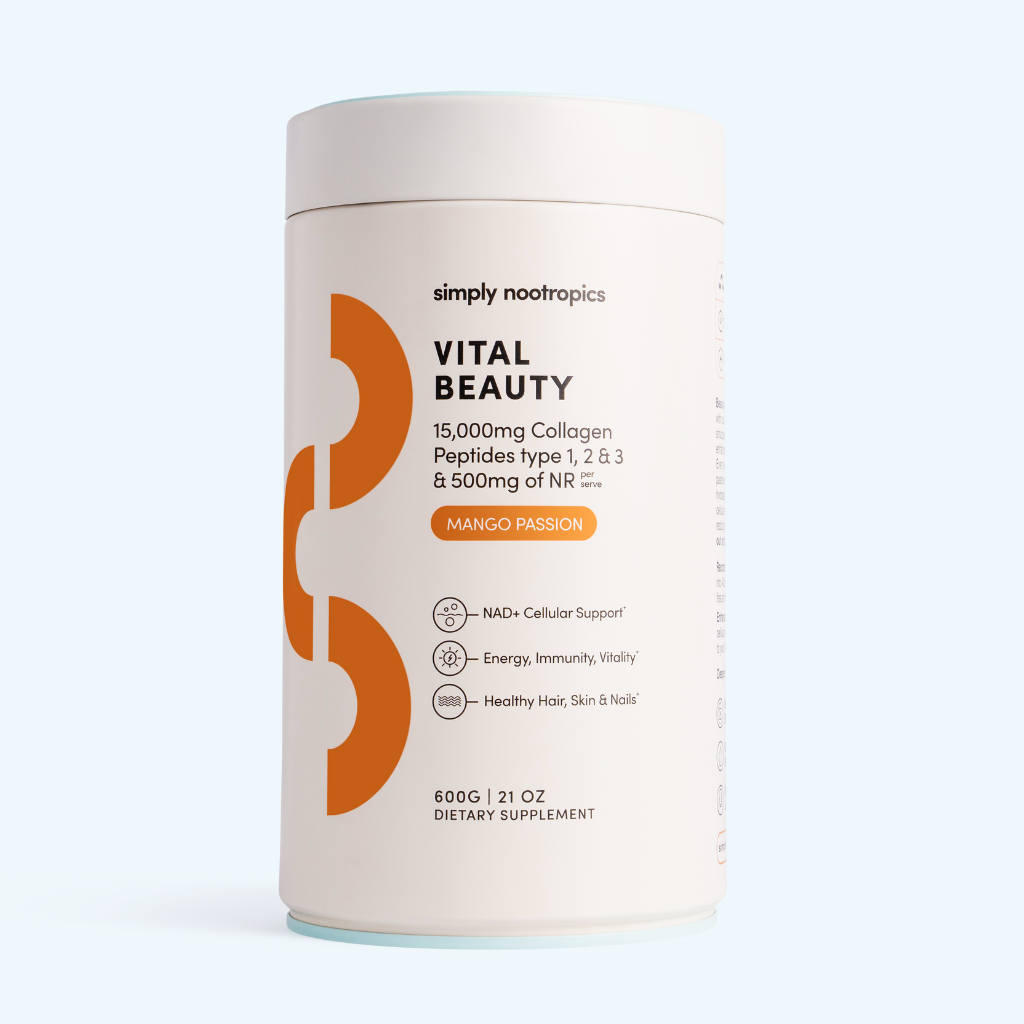
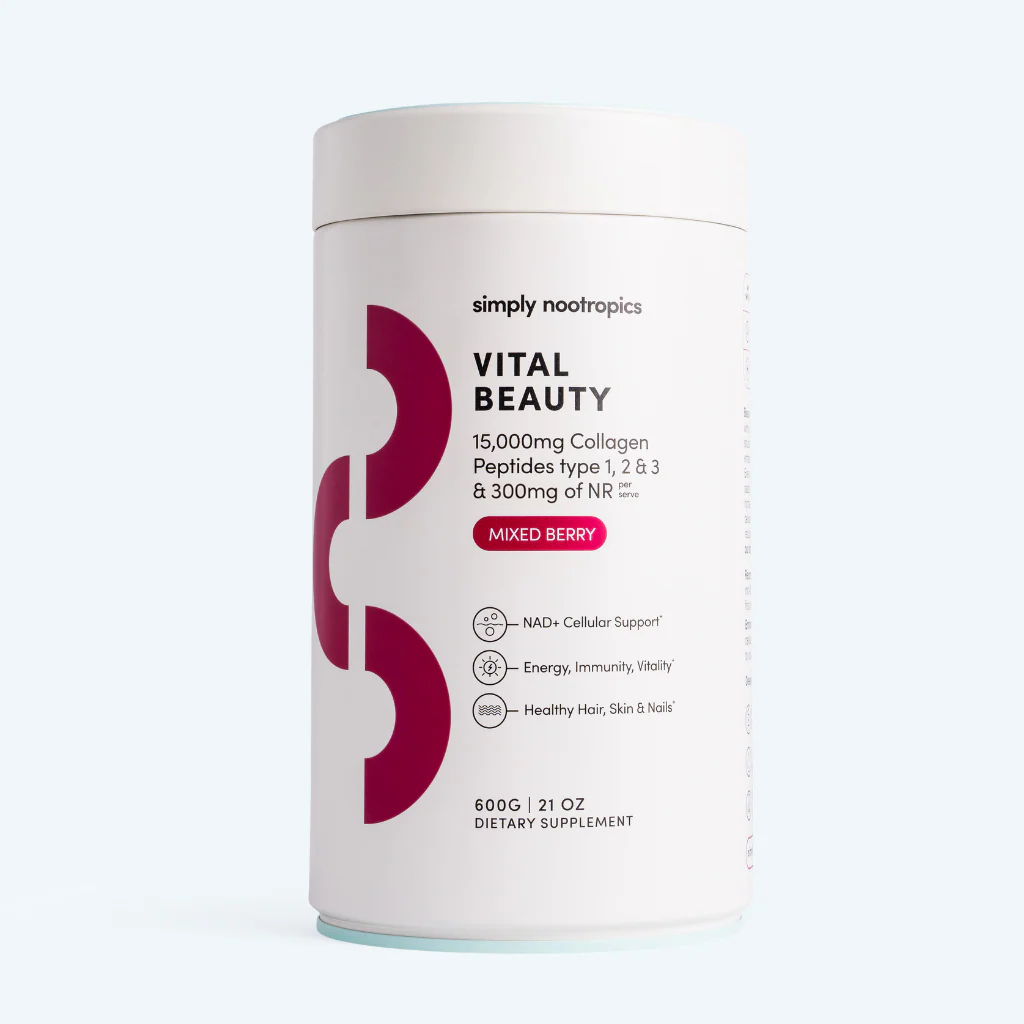
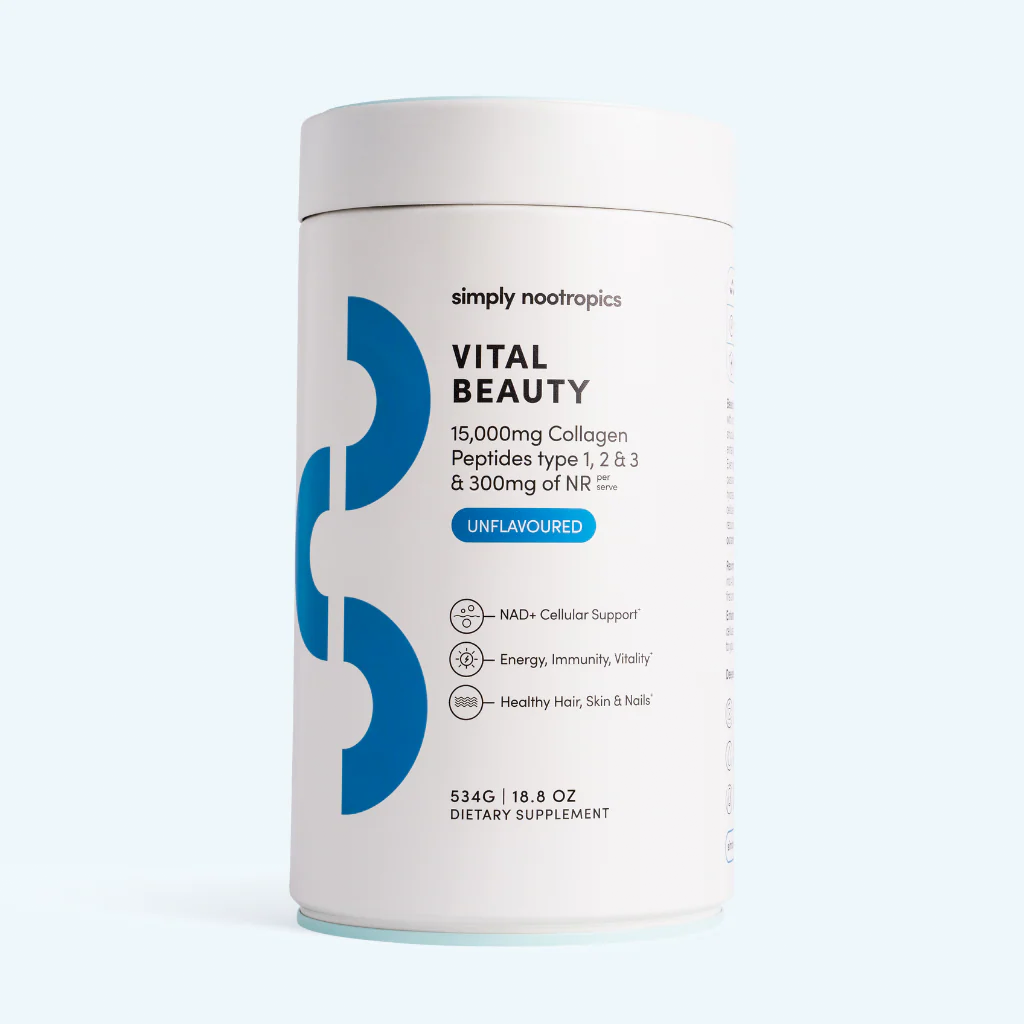
Every Simply Nootropics product tested through Eurofins comes with a certificate of analysis confirming ingredient identity, dose accuracy, and purity. That includes all of our products, from Ageless NMN to Vital Beauty Collagen.
You're not taking our word for it. You're taking the word of one of the most trusted independent laboratory networks in the world, backed by a certificate you can reference.
We think that matters. We also think it's the baseline standard you should expect from any supplement brand you buy from, not a premium feature, not a differentiator, just the minimum a responsible brand owes its customers.
Our job at Simply Nootropics is to make sure we're meeting it. Eurofins is how we prove that we are.