










The first week of a new diet is almost always the easiest: there’s momentum, there’s structure. The fridge is reorganised. Meals are planned. You feel focused, disciplined, maybe even energised by the clarity.
And then reality sets in: Work runs late, sleep gets disrupted, social events appear. Hunger feels louder. The scale slows down. What felt simple starts to feel heavy.
Most diets don’t fail because they’re ineffective.
They fail because they’re built for intensity, not sustainability.
Long-term success isn’t about how perfectly you follow a plan in the first seven days. It’s about whether your approach still feels manageable, both physically and mentally, after several weeks, months, or even years.
So what actually makes a diet successful long after the initial motivation fades? And what can support you on your journey?
1. It’s Designed for Real Life
A diet that only works under ideal conditions won’t last.
Real life includes:
-
Travel
-
Social dinners
-
Stressful weeks
-
Hormonal fluctuations
-
Poor sleep
-
Unexpected schedule changes
If your plan collapses the moment routine shifts, it isn’t built for longevity.
Sustainable approaches don’t demand perfection. They rely on adaptable structure. Instead of rigid rules like eliminating entire food groups or enforcing strict eating windows regardless of context, successful diets focus on principles:
-
Prioritise protein
-
Include fibre
-
Balance meals
-
Stay consistent most of the time
That phrase, most of the time, is crucial. Consistency compounds. Perfection burns out.
2. It Minimises Decision Fatigue
Every decision drains mental energy.
When dieting requires constant tracking, calculating, or second-guessing, it becomes cognitively expensive. Over time, that cognitive load accumulates. The brain begins to crave simplicity, often in the form of convenience food or abandoning the plan entirely.
Successful diets reduce decisions.
They rely on:
-
Repeated meal templates
-
Predictable grocery lists
-
Familiar breakfasts and lunches
-
Simple defaults when eating out
The fewer micro-decisions required each day, the more sustainable the system becomes.
3. It Protects Sleep and Recovery
Sleep is not secondary to diet, it determines how sustainable that diet will be.
Even modest sleep restriction influences:
-
Hunger signals
-
Satiety cues
-
Cravings for quick carbohydrates
-
Stress reactivity
-
Impulse control
When you’re tired, your body seeks energy. What feels like a lack of discipline is often just biological compensation.
Beyond appetite, poor sleep reduces training capacity and recovery, making exercise, often paired with dieting, feel harder.
Sustainable dieting requires stable recovery. It’s difficult to make long-term nutritional changes in a body that feels chronically depleted.
4. It Preserves Muscle
Aggressive restriction often sacrifices muscle along with fat. This matters more than most people realise.
Muscle supports:
-
Resting metabolic rate
-
Strength and independence
-
Metabolic flexibility
-
Long-term ageing outcomes
Preserving lean mass requires:
-
Adequate protein
-
Resistance training
-
Avoiding extreme calorie deficits
A diet that produces rapid weight loss but reduces structural integrity is not successful in the long term.
5. It Accounts for Metabolic Adaptation
Early progress can feel dramatic. Then the plateau arrives.
The body adapts to lower intake. Metabolism adjusts. Hunger signals shift. Energy expenditure subtly declines. This is not failure, it’s physiology.
Many people respond to a plateau by cutting more, exercising harder, or becoming more restrictive. That escalation often increases stress and makes adherence harder.
Successful dieting anticipates adaptation.
It incorporates:
-
Moderate deficits
-
Patience
-
Periodic maintenance phases
-
Strength training
-
Adequate recovery
Plateaus are where most people quit, not because progress stops, but because the feedback loop changes.
In week one, results can feel immediate. Later, water retention fluctuates, digestion shifts, and body weight can vary for reasons unrelated to fat loss. If the scale is the only marker of success, it’s easy to assume nothing is working.
A more sustainable approach tracks multiple indicators:
-
Waist measurements
-
Strength progression
-
Appetite stability
-
Sleep quality
-
Daily energy
When these improve, progress is happening, even if the scale moves slowly. Long-term success often comes from calmer adjustments, not aggressive ones.
6. It Shifts Identity, Not Just Behaviour
“I’m on a diet” implies temporary restriction. “I’m someone who prioritises my health” implies permanence.
The difference matters.
Short-term diets override behaviour. Sustainable change reshapes identity.
When food choices align with who you believe you are, they require less force. That identity shift reduces reliance on motivation and increases consistency.
7. It Avoids All-or-Nothing Thinking
Perfectionism is one of the most reliable predictors of dropout. One unplanned meal becomes “I’ve ruined everything.” One missed workout becomes “I may as well stop.”
Sustainable approaches recognise that deviation is part of the process. A single meal doesn’t erase months of progress. A missed session doesn’t undo structural change.
Consistency over time outweighs flawless execution.
8. It Stabilises Energy
Energy stability influences adherence more than calorie math alone.
Meals built around:
-
Protein
-
Fibre
-
Healthy fats
-
Micronutrients
support steadier fuel and improved satiety.
Energy crashes often drive overeating later in the day. Stable fuel improves mood, focus, and decision-making - all of which strengthen consistency. The goal is not minimal intake. It’s sustainable energy.
9. It Reduces Stress Instead of Adding to It
If a diet increases anxiety, it won’t last. Chronic restriction, excessive tracking, and rigid rules increase stress load. Elevated stress influences appetite regulation, sleep quality, and cravings.
Sustainable health behaviours feel stabilising, not exhausting. When a dietary approach lowers overall physiological stress, adherence improves naturally.
10. It Supports Long-Term Cellular Resilience
Diet success isn’t only behavioural. It’s biological. Energy production, recovery capacity, and metabolic efficiency all influence how well someone tolerates sustained dietary change.
As we age, cellular energy pathways become less efficient. Recovery may slow. Adaptation may feel harder.
Supporting long-term metabolic health involves more than adjusting calories. It involves supporting the systems that generate energy and maintain resilience at a cellular level.
How well your body produces energy, adapts to dietary change, and recovers over time matters, especially as those systems shift with age.
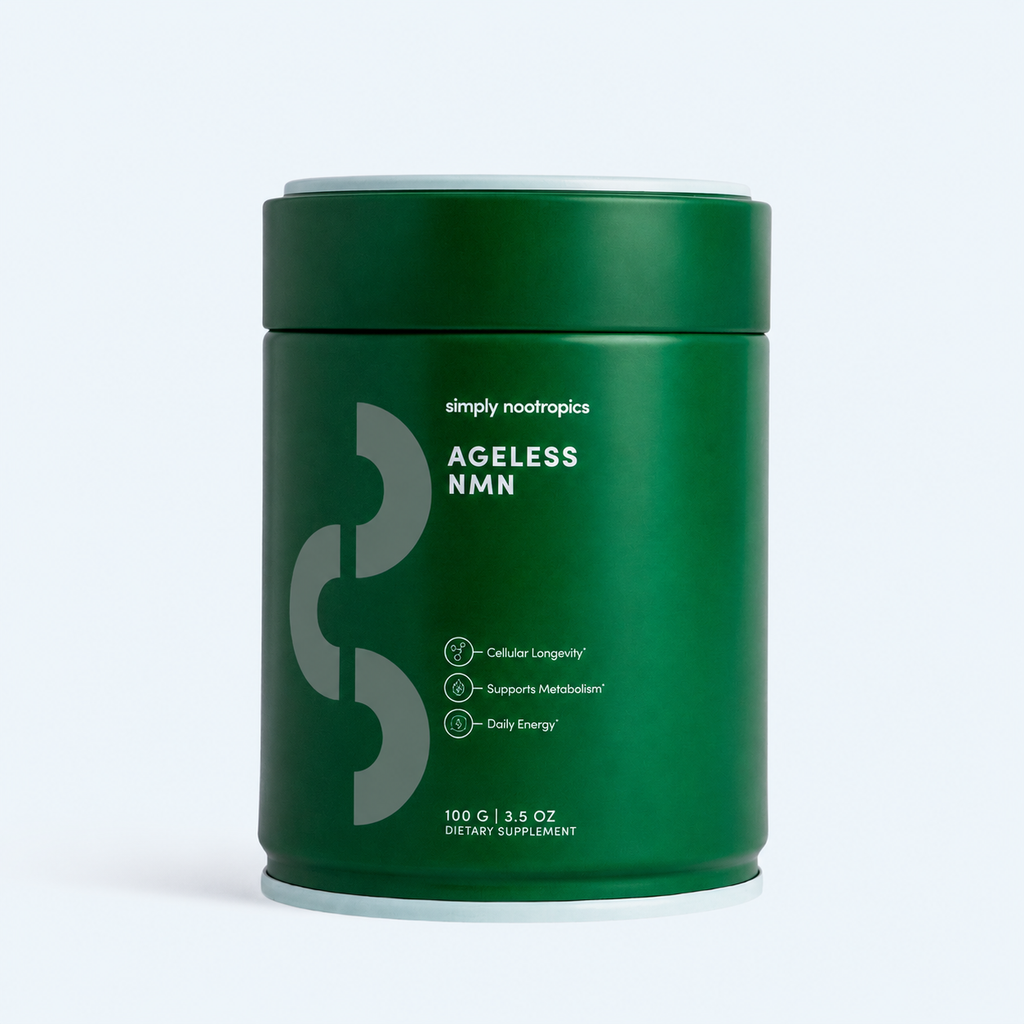
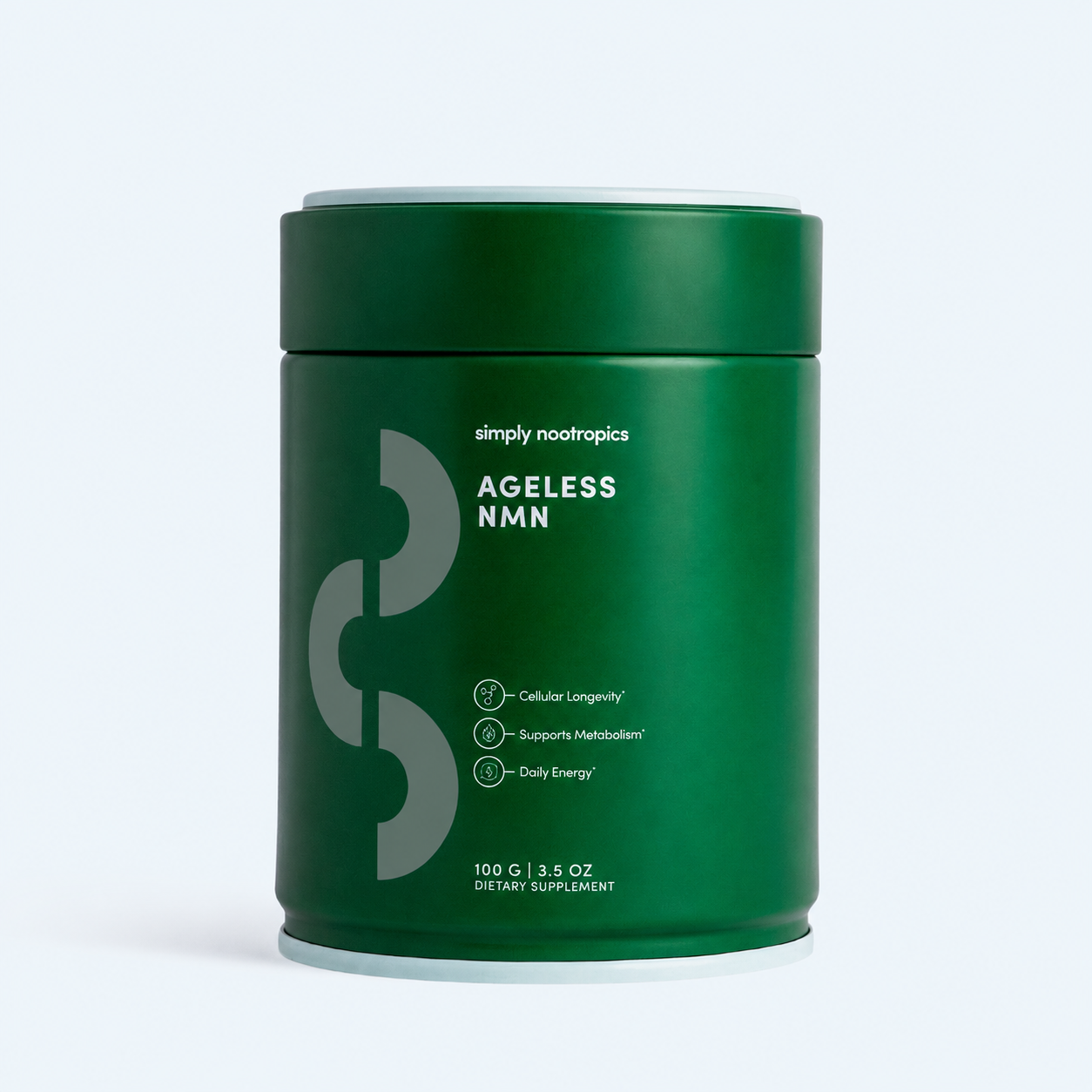
Nicotinamide Mononucleotide (NMN) is a precursor to NAD+, a molecule central to cellular energy production and metabolic regulation. NAD+ supports mitochondrial function, the process by which cells convert nutrients from food into usable energy.
NMN has been shown to suppress age-associated weight gain, enhance energy metabolism and physical activity, improve metabolic sensitivity, support eye function, improve mitochondrial metabolism, and prevent age-linked changes in gene expression. These outcomes align with NMN’s role in supporting NAD+ pathways that influence energy production, recovery capacity, and metabolic resilience as we age.
Ageless NMN is a clean, consistent NMN powder, formulated without unnecessary additives and designed to integrate easily into a daily routine. Ageless NMN dissolves easily and can be taken alongside your existing nutrition and training structure.