






For much of modern medical history, the “default human” in research has been male.
From early drug trials to foundational physiological models, much of what we consider standard health knowledge was built on data that underrepresented women. Although research practices and care for women have improved significantly over the past few decades, the legacy of those gaps still shapes how women experience healthcare, prevention, and long-term wellbeing today.
Understanding women’s health gaps isn’t about assigning blame. It’s about recognising blind spots and building a more informed, preventative, and inclusive future.
Because when science overlooks half the population, health advice becomes incomplete.
The Historical Bias in Medical Research
Until the 1990s, women were routinely excluded from many clinical trials. Researchers often cited hormonal fluctuations as a “complicating factor,” and concerns about pregnancy risks led to overly cautious exclusion policies.
The result? Much of our baseline understanding of:
-
Drug metabolism
-
Cardiovascular response
-
Pain perception
-
Stress physiology
-
Sleep patterns
was derived from predominantly male participants.
Even today, sex-specific data analysis isn’t always prioritised. That means women may respond differently to interventions, dosages, or preventative strategies - yet still receive generalised guidance.
This is structural. But structural gaps have real-world consequences.
Symptom Differences Are Still Under-Recognised
One of the most persistent gaps in care for women lies in how symptoms present.
Women often experience early warning signs differently from men. Patterns of fatigue, stress response, cognitive load, and even recovery can vary. Yet health education frequently describes a single “classic” presentation, which often reflects male physiology.
When lived experience doesn’t match textbook descriptions, women may:
-
Dismiss their symptoms
-
Delay seeking support
-
Be told it’s “normal stress”
-
Or struggle to articulate what feels off
The issue isn’t that women are atypical. It’s that the reference point has been incomplete.
Hormones Are Not a Side Note
Women’s biology (and, as a consequence, care for women) shift significantly across life stages:
-
Adolescence
-
Reproductive years
-
Pregnancy and postpartum
-
Perimenopause
-
Menopause
Hormonal changes influence sleep, mood, metabolism, muscle maintenance, cognitive clarity, and stress resilience.
Yet research often treats hormones as background noise instead of central drivers of physiological change.
For example:
-
Sleep quality can fluctuate across the menstrual cycle.
-
Stress response may vary during hormonal transitions.
-
Recovery capacity can shift with age.
A prevention-focused health model must account for these variables, not ignore them for the sake of simplicity.
The Prevention Gap
Long-term preventative health strategies tailored specifically to women have received less attention. Areas such as:
-
Cognitive resilience
-
Musculoskeletal strength
-
Metabolic flexibility
-
Stress adaptation
-
Recovery capacity
are crucial to longevity, yet are often discussed in broad, gender-neutral terms.
Prevention should not only respond to illness. It should anticipate risk, adapt to life stage, and support resilience before problems emerge.
And that requires sex-specific research.
The Invisible Load: Stress and Recovery
Modern women frequently carry overlapping roles:
-
Professional responsibilities
-
Caregiving
-
Household management
-
Emotional labour
Chronic stress is not just psychological, it influences sleep, energy, focus, appetite, and long-term resilience.
Yet many studies examine isolated variables in controlled lab settings. Real-world physiology is messier. It is shaped by interrupted sleep, multitasking, social expectations, and mental load.
Understanding women’s health requires studying biology within context, not in isolation.
The Data Gap in Ageing Research
Longevity research is expanding rapidly, but much of it still lacks deep sex-specific nuance.
Ageing does not unfold identically across sexes. Bone density shifts, muscle mass changes, collagen decline, hormonal transitions, and stress adaptation follow different trajectories.
Yet much of the “healthy ageing” advice remains generic.
A more accurate longevity model would ask:
-
How does stress affect women differently over decades?
-
How do hormonal transitions influence cognitive health?
-
What preventative strategies are most effective at different life stages?
The science is evolving, but there is still work to do.
Where Research Is Improving
There is progress. More studies now:
-
Require balanced sex representation
-
Analyse sex-based outcome differences
-
Explore hormonal influence in greater detail
-
Investigate quality-of-life metrics, not just disease markers
The conversation is shifting from “one-size-fits-all” to nuanced and personalised.
And nuance is progress.
What Women Can Do Now
While science continues to close these gaps, there are practical steps women can take today:
1. Track patterns, not isolated symptoms.
Cycles, stress, sleep, and energy shifts matter.
2. Prioritise recovery.
Sleep, nutrition, and nervous system regulation are foundational.
3. Think in decades, not days.
Longevity is built through consistency, not intensity.
4. Advocate for clarity.
Ask questions. Seek explanation. Your baseline matters.
5. Support foundational biology.
Nutrition, protein intake, micronutrients, and structural support all contribute to long-term resilience.
Building a More Informed Future
Closing women’s health gaps requires:
-
Better research design
-
More representative clinical trials
-
A deeper understanding of hormonal transitions
-
Prevention models that reflect real life
But it also requires awareness.
When women understand that health guidance may not always have been built with them fully in mind, it reframes the conversation. It shifts from confusion to curiosity.
The future of health is not uniform. It is personalised, preventative, and informed by better data.
And better data begins with asking better questions.
Product Spotlight: Supporting Women’s Health Foundations
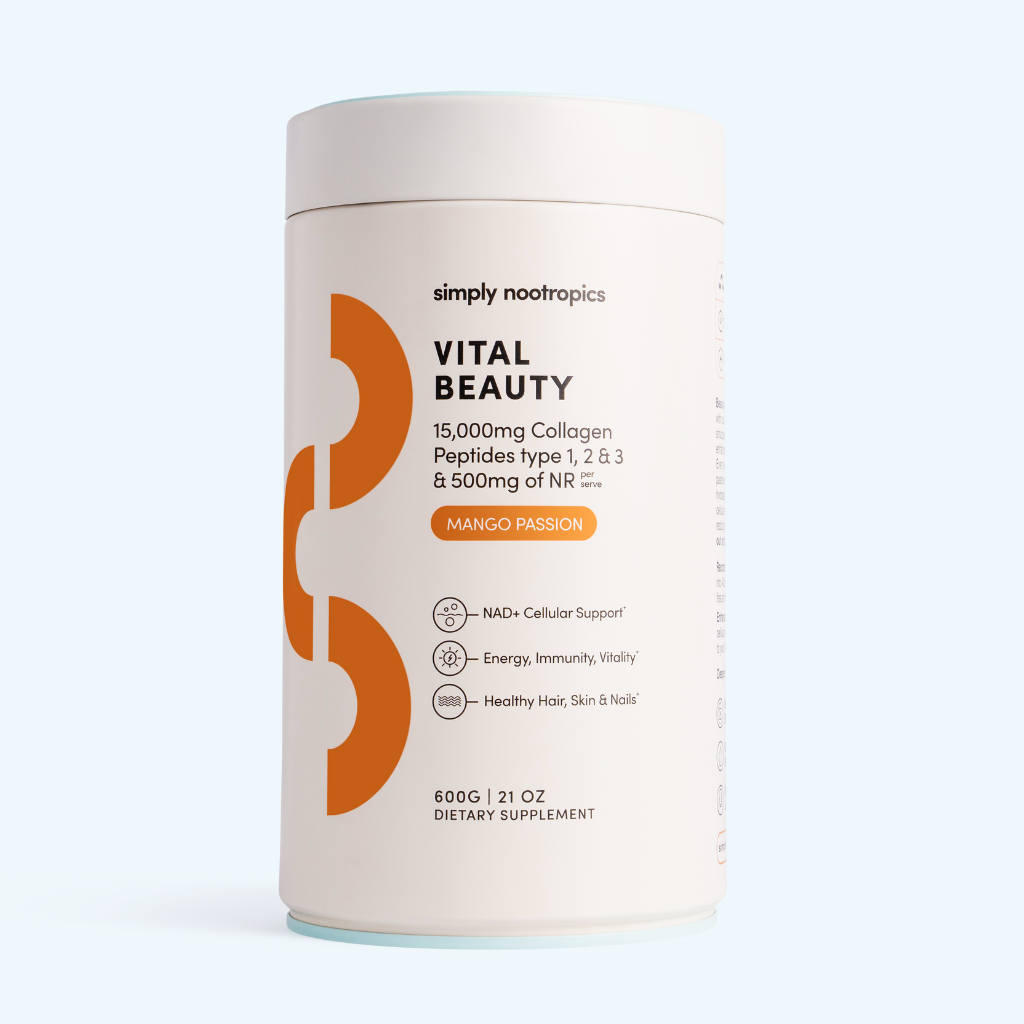
If you’re thinking about prevention and long-term structural support, consistency matters - and that’s where Vital Beauty fits in.
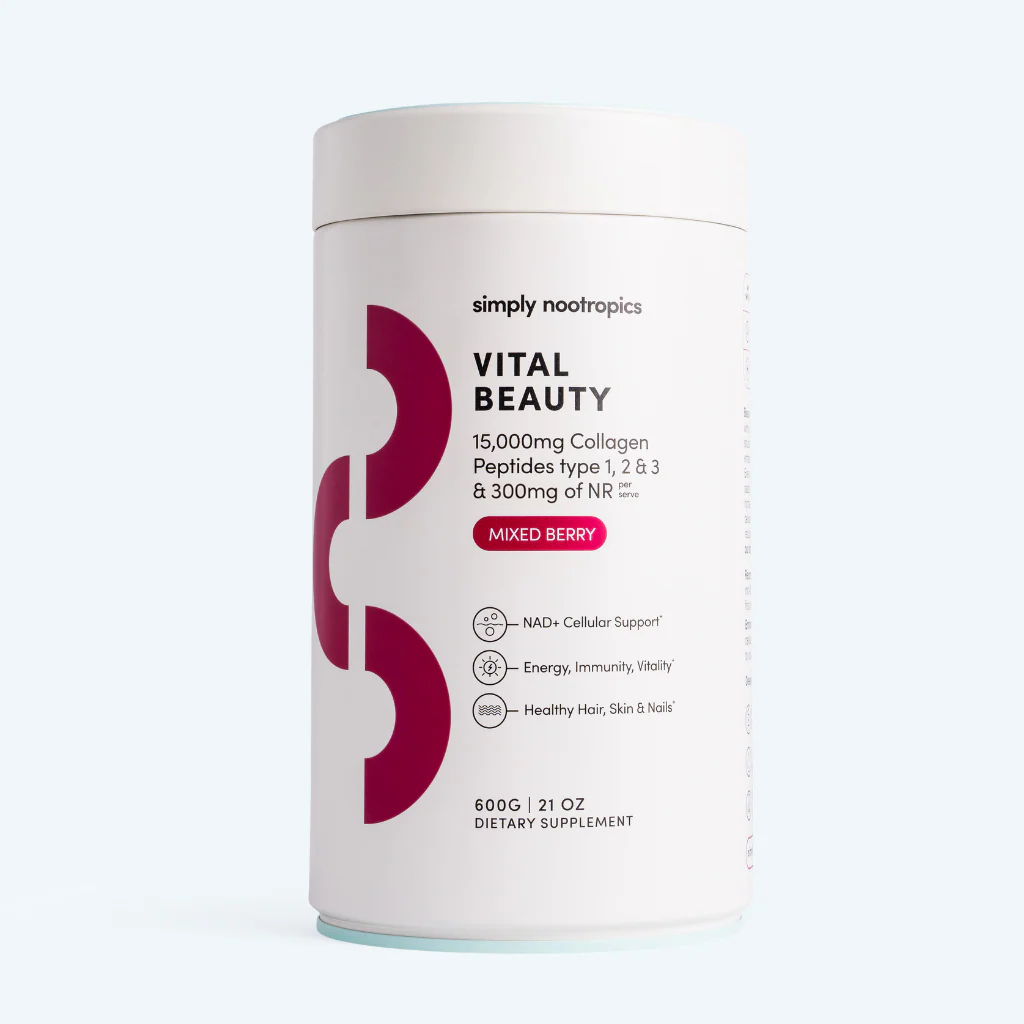
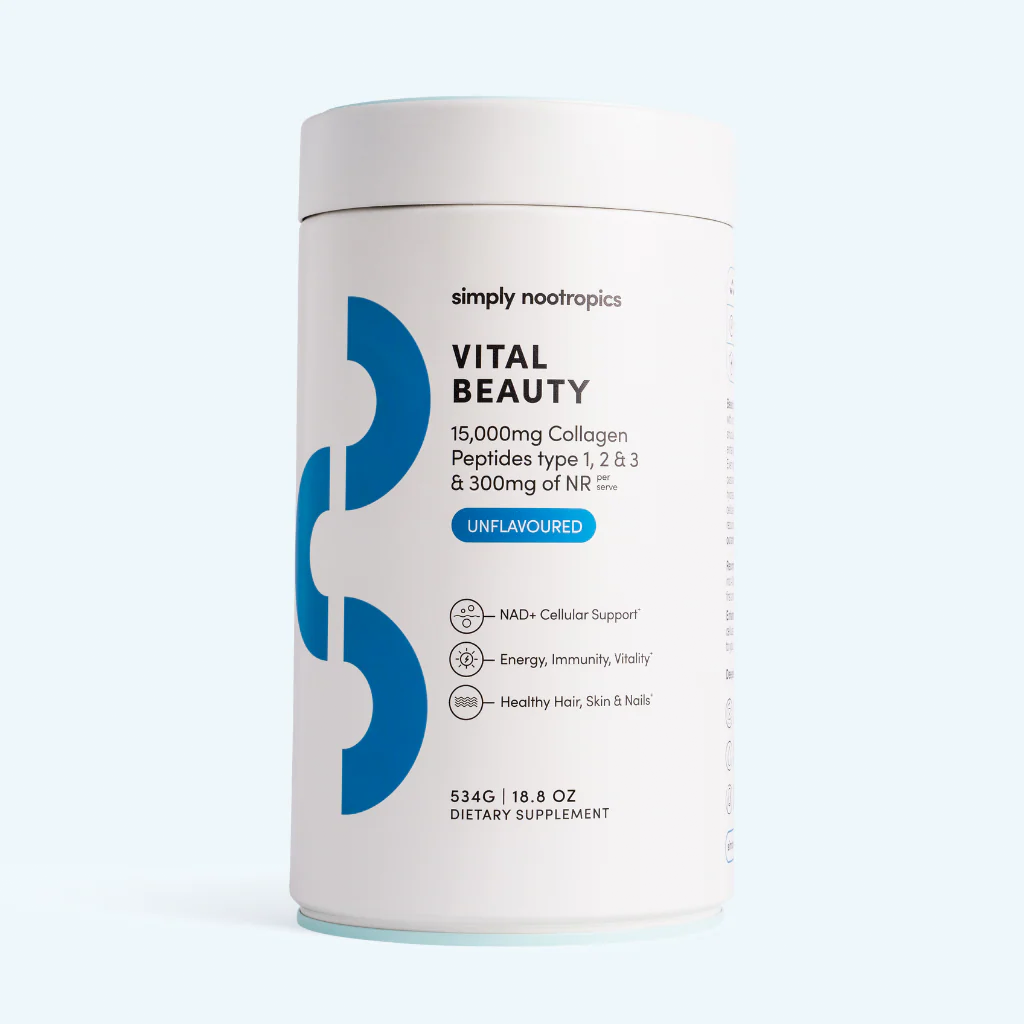
Vital Beauty is our advanced collagen blend, formulated to support skin elasticity, hair strength, nail resilience, and connective tissue health. Each daily serve delivers 15g of hydrolysed collagen peptides, designed for easy absorption and daily use.
Beyond collagen, the formula includes 500mg Nicotinamide Riboside (NR) alongside complementary ingredients such as TMG, biotin, keratin, hyaluronic acid, L-glutathione, vitamin C, and vitamin E, nutrients chosen to support structural integrity and cellular health from multiple angles.
It’s available in three options:
-
Mango Passion, light and refreshing
-
Mixed Berry, subtly fruity
-
Unflavoured, ideal for adding to coffee, smoothies, or recipes
The powder format makes it easy to incorporate into a daily routine: one scoop mixed into water or your preferred drink.
Because longevity isn’t built through extremes. It’s built through daily, foundational support, and that includes the structures that hold everything together.