






Once a year, the world collectively decides that green food is not only acceptable but mandatory. Matcha lattes, avocado toast, green smoothies - it all gets a pass under the banner of St. Patrick's Day. But not everything that's green is worth eating, and not everything worth eating gets enough credit.
So here's a rundown of the green foods actually doing something for your body, and why they deserve a spot in your routine long after March 17th.
-
Spinach: the unglamorous overachiever
Nobody gets excited about spinach. It's not trendy, it doesn't photograph particularly well, and it has the vague reputation of being something you eat out of obligation. But nutritionally, it's one of the most impressive things you can put on your plate.
Spinach is dense in magnesium, a mineral most people are chronically low in, which plays a role in over 300 processes in the body, including energy production and muscle function. It's also high in folate, vitamin K, and iron. The catch: spinach contains oxalates, which can reduce iron absorption. Pair it with something high in vitamin C, like a squeeze of lemon, some capsicum, and you'll get significantly more out of it.
Raw or lightly cooked, it doesn't really matter. Just eat it regularly.
-
Broccoli: the one your parents were right about
Broccoli contains a compound called sulforaphane, which activates the body's own antioxidant defence systems. When you chop or chew broccoli, an enzyme called myrosinase converts glucoraphanin into sulforaphane. The catch: overcooking destroys myrosinase, so boiled-to-mush broccoli loses a significant chunk of this benefit.
Lightly steam it, roast it, or eat it raw. If you want to maximise sulforaphane, pair cooked broccoli with a small amount of raw broccoli or mustard seed; both contain active myrosinase that compensates for what heat destroys.
Beyond that, broccoli is high in vitamin C, vitamin K, fibre, and folate. It's genuinely hard to find a reason not to eat it.
-
Avocado: deserves the hype (mostly)
Avocado is one of the few fruits rich in monounsaturated fats, the kind associated with cardiovascular health and reduced inflammation. It also contains more potassium than a banana, which matters for blood pressure regulation and muscle function.
What gets overlooked is that avocado is a meaningful source of lutein and zeaxanthin, two compounds concentrated in the eyes that play a protective role against age-related vision decline. And because it's rich in fat, it enhances the absorption of fat-soluble nutrients from everything else on your plate. Eating it with your salad isn't indulgent, it's practical.
-
Matcha: actually earns its reputation
Matcha is made from whole green tea leaves ground into a powder, which means you consume the entire leaf rather than just the steeped water. The result is a much higher concentration of L-theanine, an amino acid that promotes calm, focused attention without the jitteriness that caffeine alone tends to produce.
The caffeine in matcha is released more slowly than in coffee, which is partly why the energy feels more sustained. It's also rich in EGCG (epigallocatechin gallate), one of the most studied antioxidant compounds in green tea, with research pointing to roles in metabolic support and cellular protection.
Ceremonial grade tastes noticeably better. Culinary grade is fine for cooking or smoothies.
-
Kiwi: the underrated one
Kiwi fruit doesn't get the attention it deserves. Gram for gram, it contains more vitamin C than an orange, and vitamin C is directly involved in collagen synthesis, immune function, and iron absorption. Two kiwis a day covers your daily vitamin C requirements comfortably.
Kiwi also contains actinidin, a natural enzyme that helps with protein digestion, along with a solid amount of fibre and potassium. It's one of the more nutrient-dense fruits available and tends to be cheaper and more accessible than most things marketed as superfoods.
Eat the skin if you can tolerate it. It contains more fibre and antioxidants than the flesh.
-
Edamame: more than a restaurant snack
Edamame , or young green soybeans, is one of the few plant sources of complete protein, meaning it contains all nine essential amino acids. A standard serving provides around 17g of protein, along with fibre, folate, and vitamin K.
It's also a source of isoflavones, plant compounds studied for their potential role in bone health and hormonal balance. As a snack or a side, edamame does more nutritional work than most things in the same calorie range.
-
Peas: criminally underrated
Peas get dismissed as a side dish filler but are actually one of the more nutritious things you can eat. High in plant-based protein, fibre, vitamins C and K, and several B vitamins including thiamine, which is involved in converting carbohydrates into usable energy.
Worth knowing: frozen peas retain most of their nutritional value. The freezing process locks in nutrients shortly after harvest, which often makes them nutritionally superior to fresh peas that have been sitting in transit for days. One of the rare cases where convenience and quality genuinely align.
-
Spirulina: the one that looks suspicious but isn't
Spirulina is a blue-green algae that turns anything it touches into an intense shade of green, but it's actually one of the most nutrient-dense foods on the planet.
By weight, spirulina is roughly 60-70% protein - higher than most animal sources - and contains all essential amino acids. It's also a meaningful source of iron, B vitamins, and phycocyanin, the pigment that gives it its distinctive colour and has been studied for its antioxidant and anti-inflammatory properties.
It's also one of the few plant sources of gamma-linolenic acid (GLA), an omega-6 fatty acid with a role in reducing inflammation. Most people get far too much omega-6 from processed foods; GLA from spirulina behaves differently and is generally considered beneficial rather than inflammatory.
The taste is an acquired one. Start with a small amount blended into a smoothie and work up from there. If you can get past the colour and the smell, it's worth it.
Beyond Green Foods
Green foods are a great foundation. But getting consistent, optimal nutrients from diet alone is harder than it looks, especially when you factor in absorption, food quality, and the reality that most people aren't eating perfectly every day.
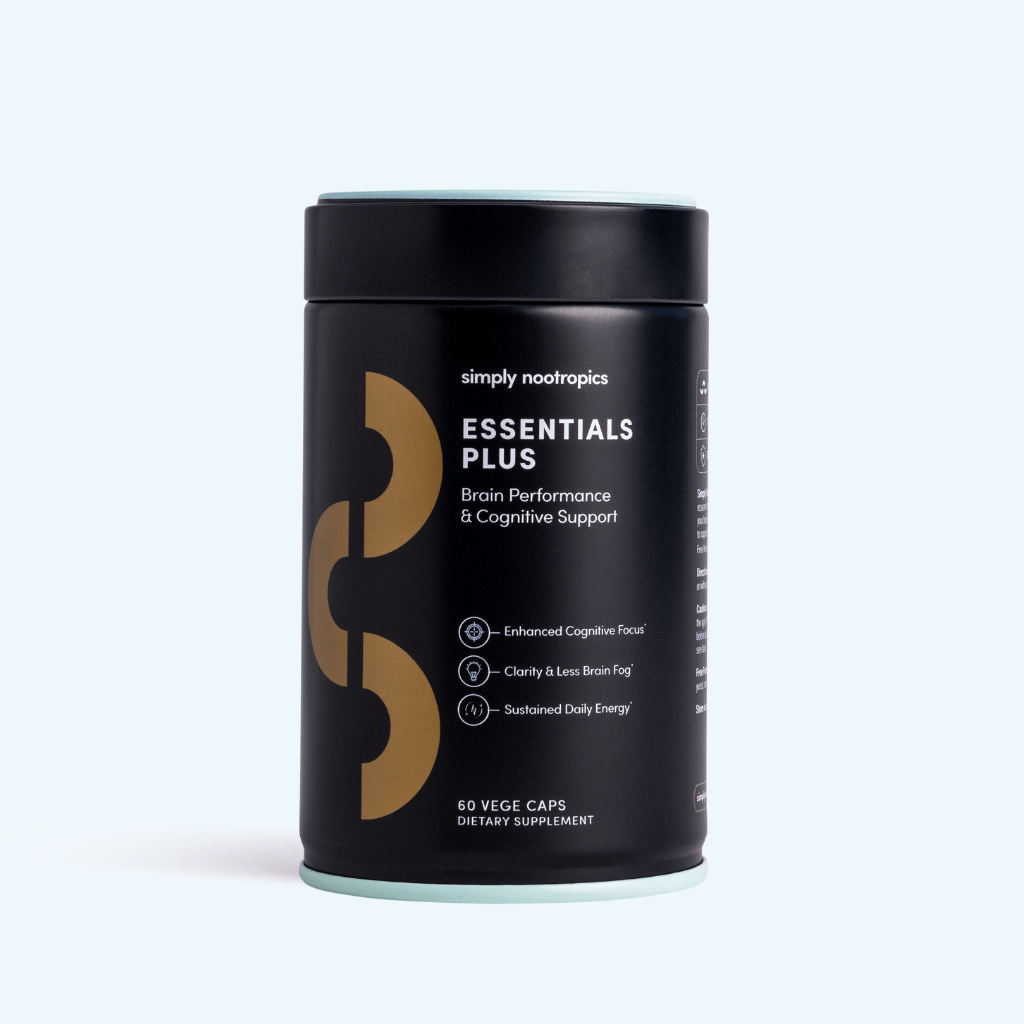
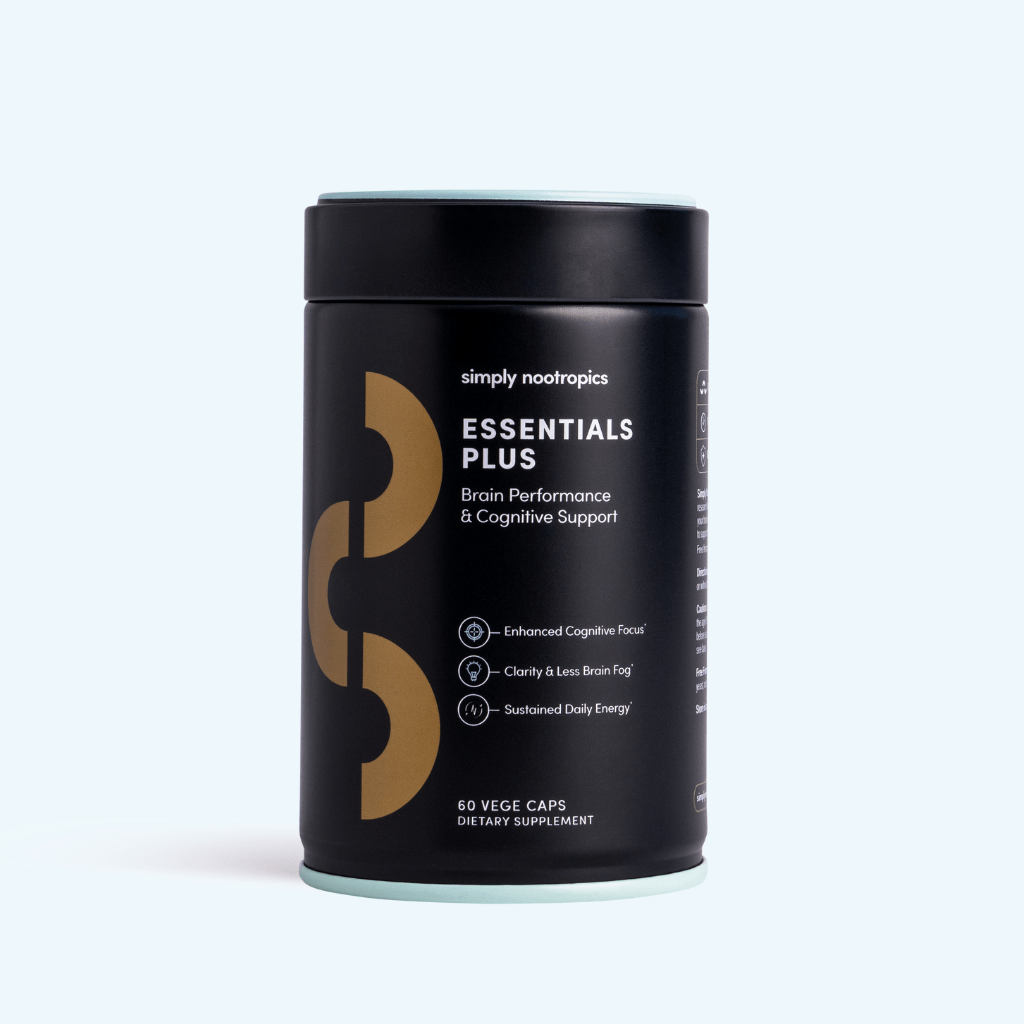
Essentials Plus is our adaptogen and nootropic blend, formulated to support the cognitive and physical performance that good nutrition is supposed to fuel. Ashwagandha, Rhodiola Rosea, Panax Ginseng, Brahmi, Lion's Mane, each in their most bioavailable form, designed to work alongside a diet rich in whole foods, not replace it.
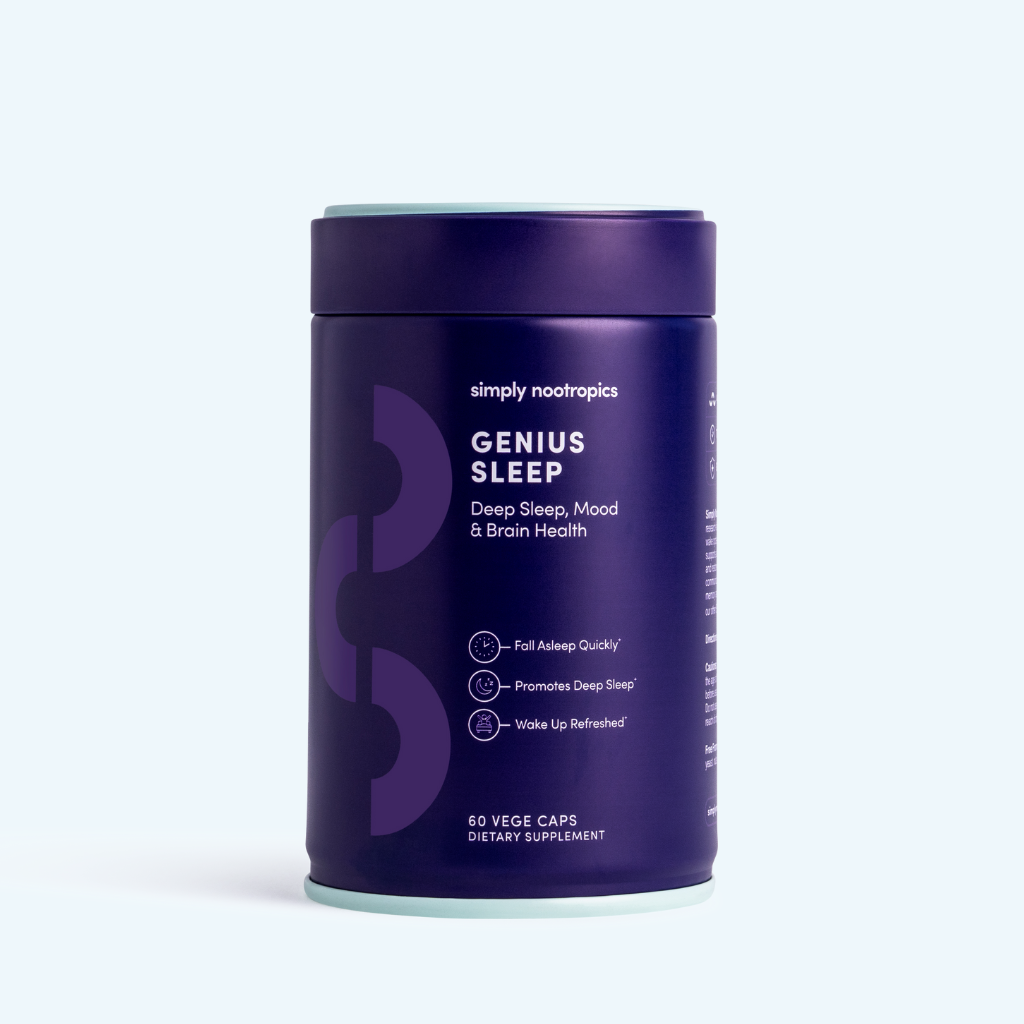
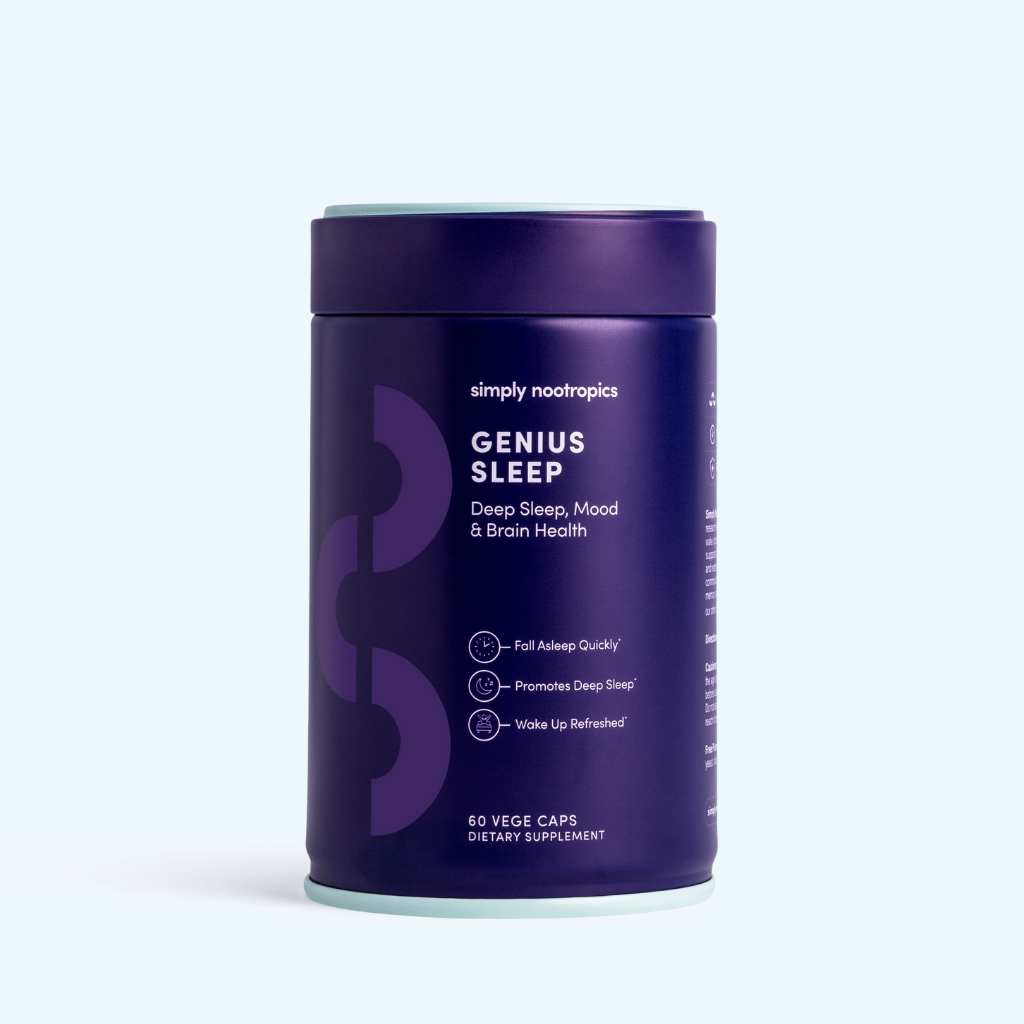
The spinach and the broccoli and the matcha are doing their thing. Essentials Plus helps with the rest, like stress response, mental clarity, sustained energy. And if the L-theanine in matcha is what appeals to you, Genius Sleep contains it too, alongside a full formula designed to support the kind of deep, restorative sleep that makes everything else work better.