



Your metabolism isn't just about weight management. It's the engine that powers every single cell in your body, converting nutrients into energy, repairing damage, and keeping you functioning at your best.
But metabolic function doesn't stay constant throughout life. As we age, cellular processes slow down. Energy production becomes less efficient. And the signs? They're often subtle at first, dismissed as "just getting older" or chalked up to stress.
The truth is, your metabolism might be sending you signals that it needs support. Let's look at three of the most common (and often overlooked) signs that your cellular energy systems could use a boost, and read about the supplement that can help.
Sign #1: You're Tired Even When You're Getting Enough Sleep
You're clocking 7-8 hours a night. You're waking up at reasonable times. You're not staying up late scrolling. And yet, by 2pm, you're dragging. By evening, you're running on fumes.
Sound familiar?
Here's what's happening: Your body produces energy through a molecule called ATP (adenosine triphosphate), and this process happens inside the mitochondria. To create ATP efficiently, your mitochondria need a coenzyme called NAD+ (nicotinamide adenine dinucleotide).
NAD+ is essential for converting the food you eat into usable cellular energy. It's involved in hundreds of metabolic processes, from breaking down carbohydrates and fats to supporting the repair mechanisms that keep your cells healthy.
But here's the catch: NAD+ levels decline with age. Studies show that by the time you're 50, you may have roughly half the NAD+ you had in your 20s. Less NAD+ means less efficient energy production. Less efficient energy production means more fatigue, even when you're doing everything "right."
If you're experiencing persistent low energy that doesn't improve with rest, it's worth considering whether your cellular metabolism needs support.
What you might notice:
-
Mental fog in the afternoon, even after a good night's sleep
-
Physical tiredness that doesn't match your activity level
-
Needing stimulants (coffee, energy drinks) just to feel "normal"
-
Difficulty sustaining energy throughout the day
Sign #2: Your Body Isn't Recovering Like It Used to
Remember when you could bounce back from a tough workout in a day or two? When staying up late didn't wreck you for the entire week? When your body just seemed more... resilient?
Recovery is one of the first things to suffer when metabolic function declines.
Your body's ability to repair itself relies heavily on efficient metabolism. When your cells can't produce energy effectively, repair processes slow down.
This shows up in several ways:
Physical recovery takes longer. That workout that used to leave you sore for a day now has you hobbling for three. Your muscles feel stiff. Delayed onset muscle soreness (DOMS) lingers longer than it should.
Mental recovery suffers too. A stressful day at work leaves you depleted for longer. You notice it's harder to "reset" after intense mental effort. Your cognitive resilience - the ability to stay sharp under pressure - isn't what it used to be.
Sleep quality may decline. Even if you're sleeping the same number of hours, you might not feel as refreshed. This is because cellular repair happens primarily during sleep, and if your metabolic machinery isn't running efficiently, those repair processes don't work as well.
Sign #3: Your Weight and Body Composition Are Changing (Despite No Changes in Diet or Exercise)
You're eating the same foods. You're moving your body the same amount. But the scale is creeping up. This is one of the most common (and most frustrating) signs of declining metabolic function.
Your basal metabolic rate - the number of calories your body burns at rest - is largely determined by how efficiently your cells produce energy. When cellular metabolism slows, your body becomes less effective at utilizing the food you eat. Calories that used to fuel activity and cellular processes may now be stored as fat.
But it's not just about calories in versus calories out. Metabolic health affects how your body partitions nutrients, how it responds to insulin, and how efficiently it burns fat for fuel.
NAD+ plays a crucial role here. It's required for the function of proteins called sirtuins, which regulate metabolism, fat storage, and muscle maintenance. Sirtuins help control how your body uses energy, whether it stores fat or burns it, and how well you maintain lean muscle mass.
When NAD+ levels decline, sirtuin activity decreases. This can lead to:
-
Reduced fat oxidation (your body becomes less efficient at burning fat)
-
Decreased muscle protein synthesis (harder to maintain or build muscle)
-
Changes in how your body handles glucose and stores energy
-
Slower overall metabolic rate
The result? Weight gain or unfavorable changes in body composition, even when your diet and exercise habits haven't changed.
The Common Thread: Cellular Energy Production
All three of these signs point back to the same root issue: declining cellular energy production.
Your metabolism isn't just one thing. It's a complex network of processes happening in every cell of your body, every second of every day. And at the center of it all is NAD+. The good news? NAD+ levels can be supported.
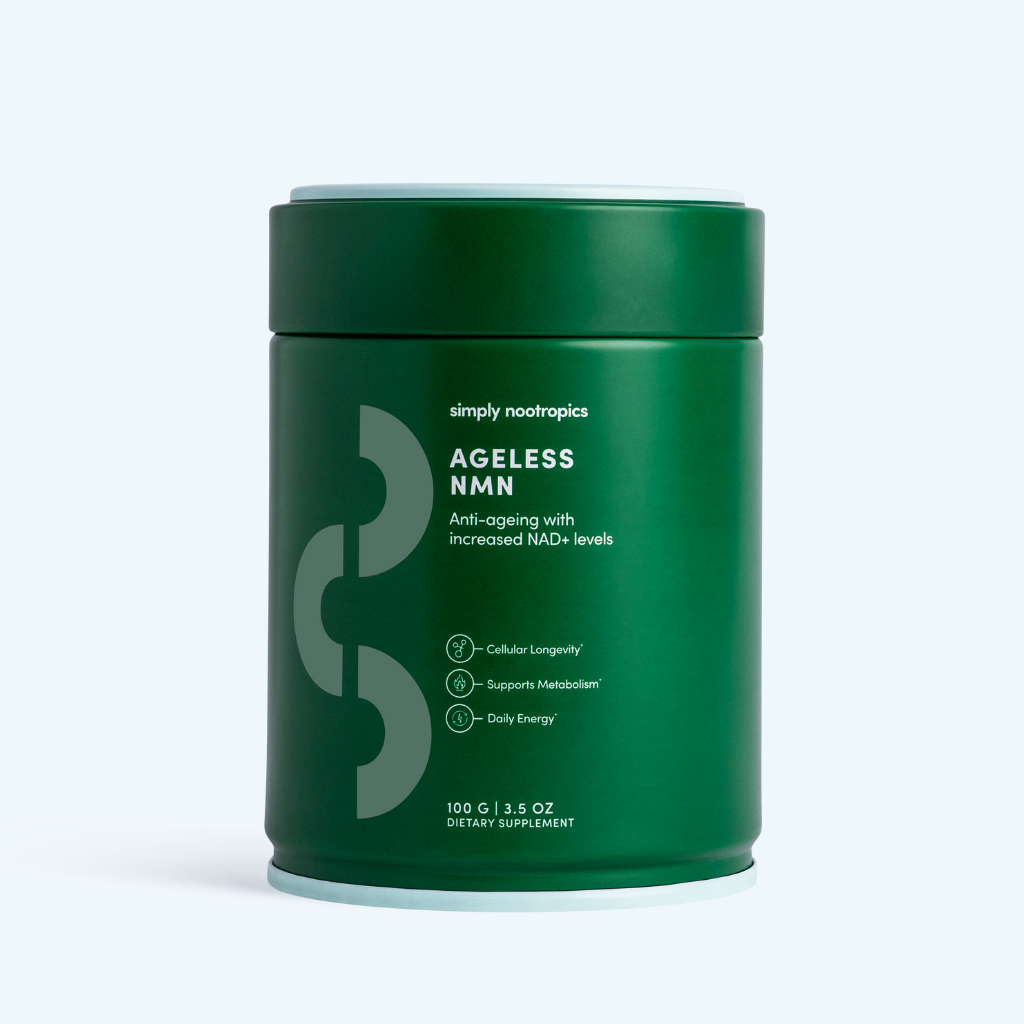
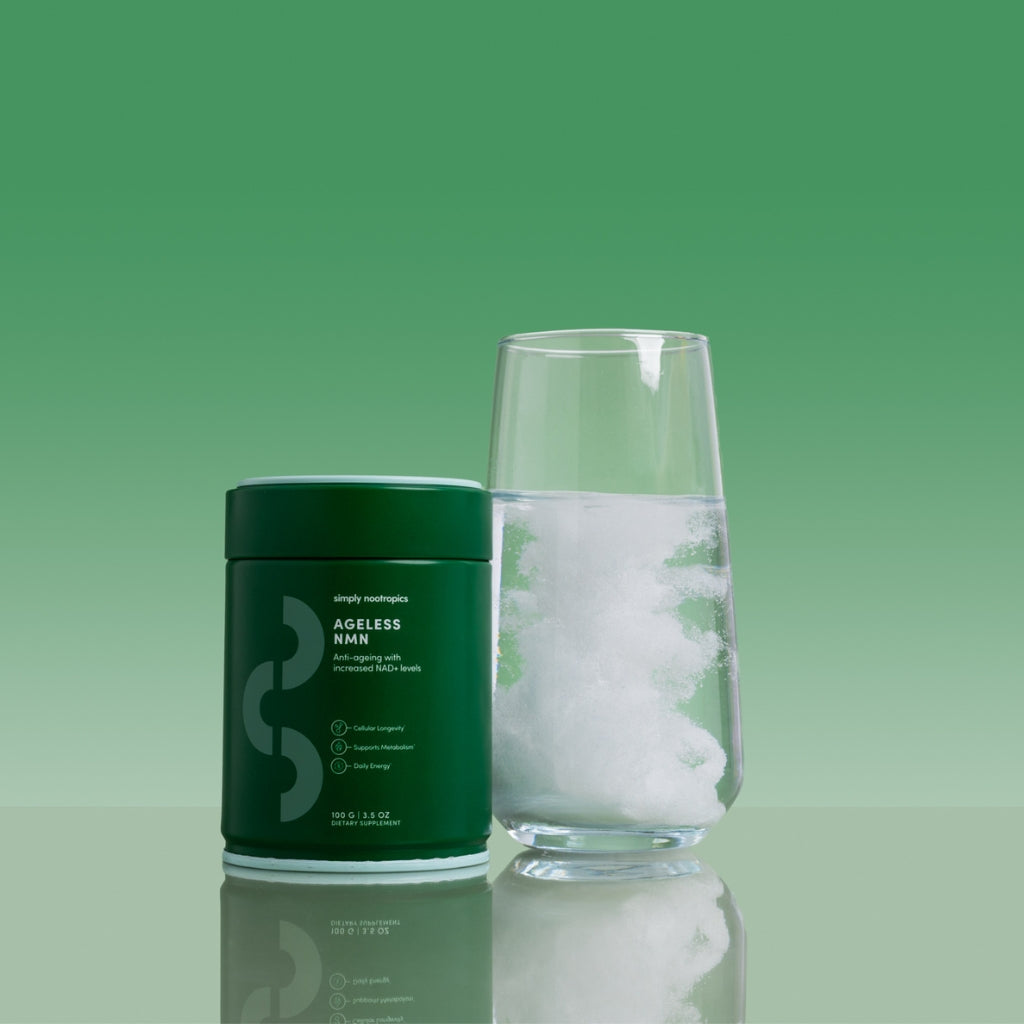
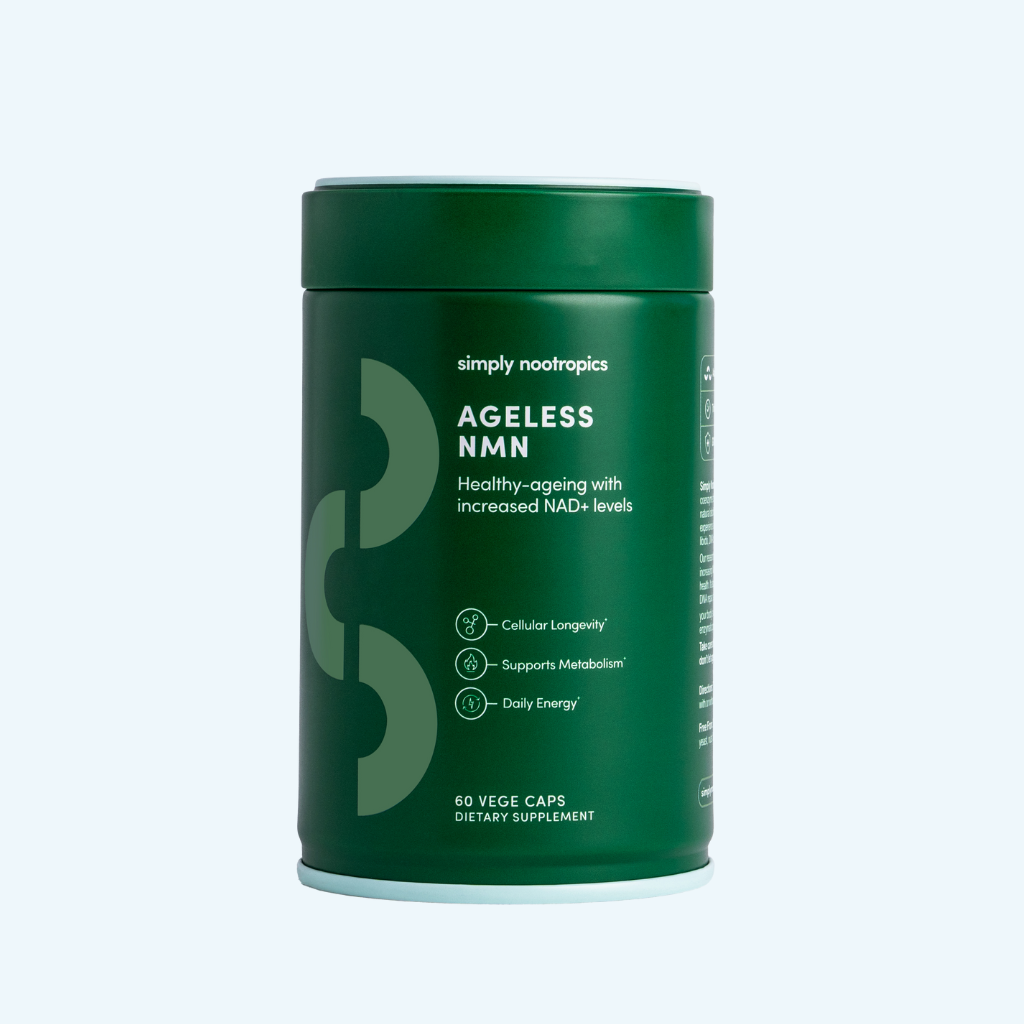
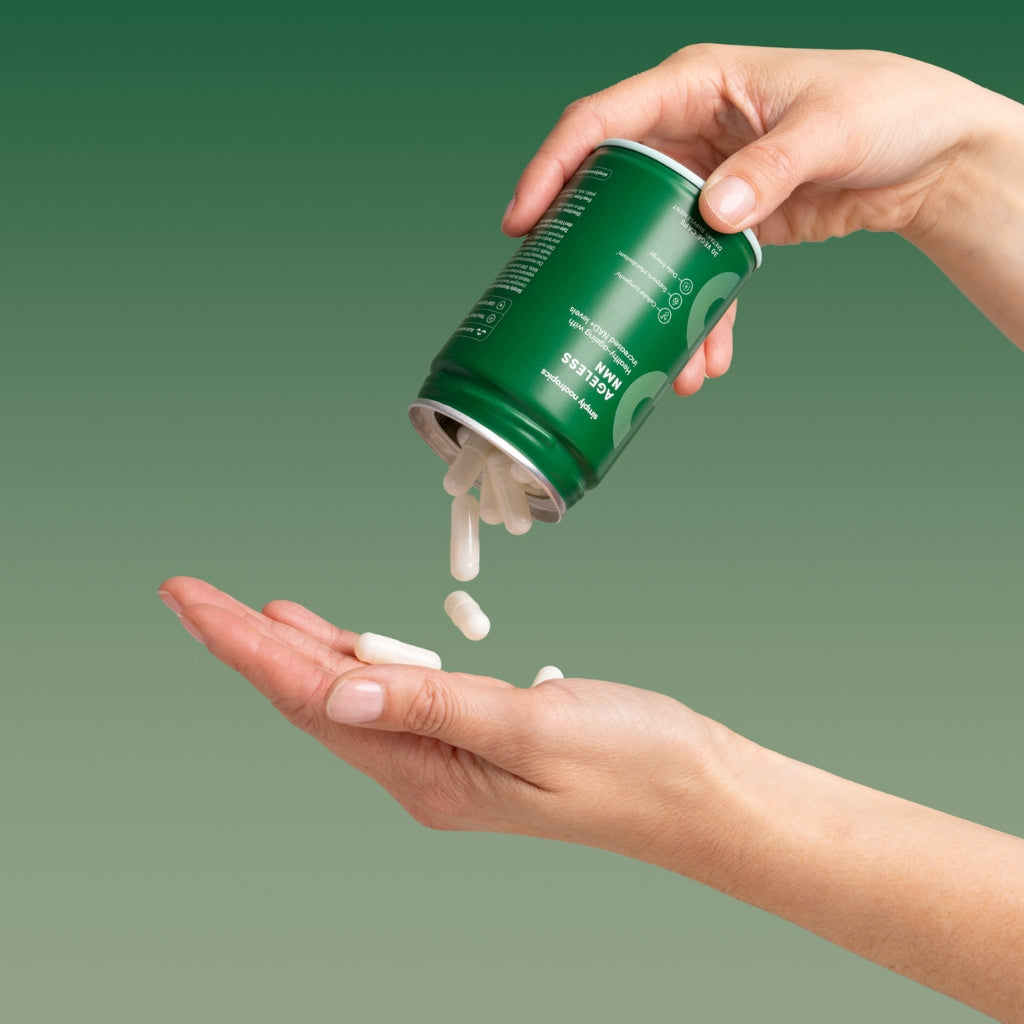
Meet Ageless NMN
This is where NMN (nicotinamide mononucleotide) comes in.
NMN is a direct precursor to NAD+. When you supplement with NMN, your body converts it into NAD+, helping to restore levels that have declined with age.
At Simply Nootropics, we've developed Ageless NMN with these principles in mind.
-
100% Purity: Our NMN is independently tested to ensure maximum purity and potency. No fillers. No shortcuts.
-
Optimal Dosing: Each serving delivers 500-1000mg of pure NMN, the clinically relevant dose based on current research.
-
Designed for Daily Use: Ageless NMN is formulated to support your cellular metabolism consistently, helping you maintain NAD+ levels over time.
Your metabolism is the foundation of how you feel, how you perform, and how you age. Supporting it at the cellular level may be one of the most impactful things you can do for your long-term health and vitality.