






In 1900, the average life expectancy in most developed countries sat somewhere around 50 years. Today, it is closer to 80. That is an extraordinary achievement, the result of better sanitation, antibiotics, surgical advances, and a much deeper understanding of how disease works.
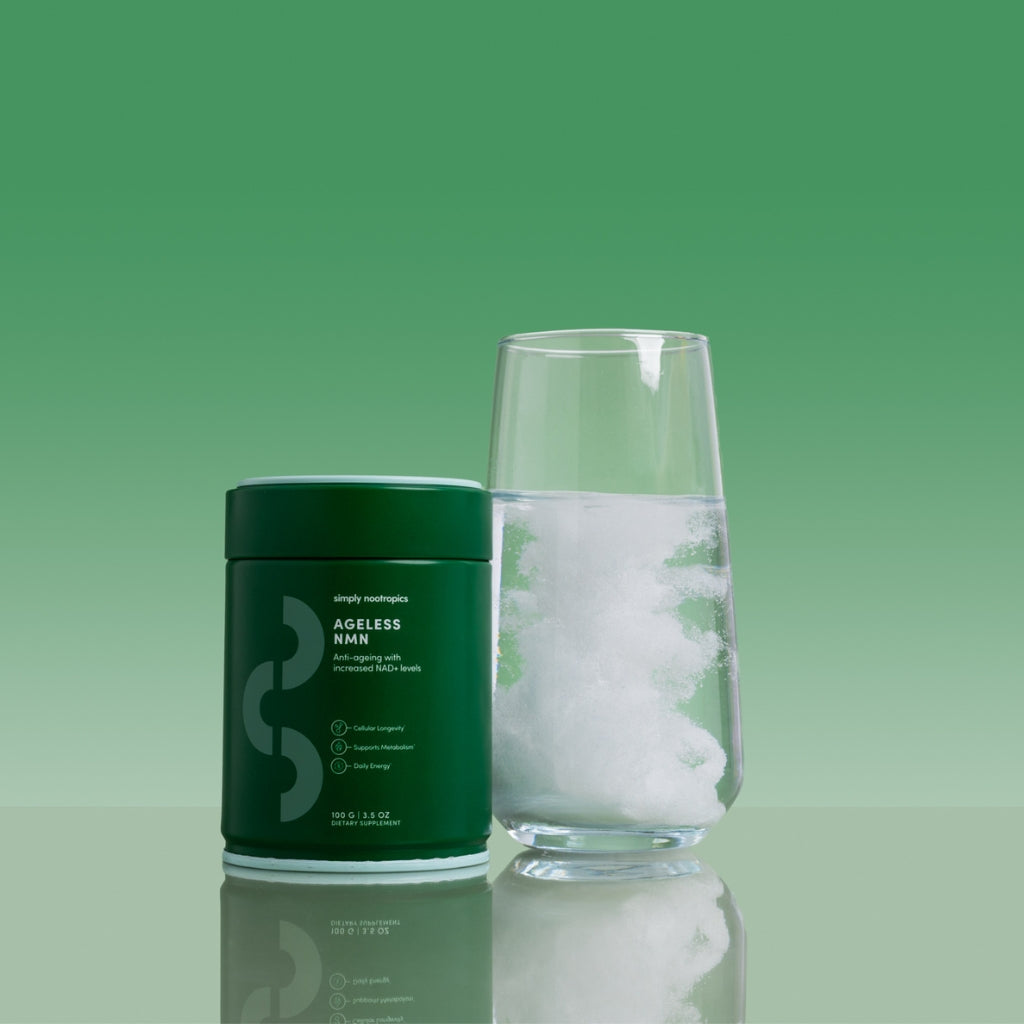
But here is the problem nobody talks about enough. A large portion of those extra decades are not being spent in good health, they are being spent managing it. The gap between how long we live and how well we live has a name: the healthspan gap, and NMN Powder is one of the more studied tools available for narrowing it.
Medicine Got Very Good at One Thing
Modern medicine is, above almost everything else, brilliant at keeping people alive. It can manage chronic conditions, treat acute illness, replace failing organs, and intervene at almost every stage of physical decline. What it has historically been far less focused on is preventing that decline from happening in the first place.
The result is a peculiar situation. We have a population living longer than any generation before it, while simultaneously experiencing years — sometimes decades — of compromised quality of life before death. Persistent fatigue, reduced mobility, cognitive fog, and declining resilience have come to be accepted as simply part of getting older, rather than as outcomes worth actively working against.
Researchers now have a term for what we actually want: compression of morbidity. The idea, first proposed by physician James Fries in 1980, is that the goal of longevity science should not just be to add years to life, but to compress the period of poor health and decline into as short a window as possible at the very end of life. Live well for as long as possible, then decline briefly: the opposite of what most people currently experience.
The Biology of Decline Is Not Inevitable
One of the most significant shifts in ageing research over the past two decades is the growing understanding that many of the changes associated with getting older are not fixed. They are biological processes, some of which can be slowed, supported, or influenced by how we live and what we give our bodies.
Cellular energy production, DNA repair, inflammation regulation, and mitochondrial function all play roles in determining how quickly the body ages at a biological level. And biological age (how old your cells actually are) does not always match the number on your birth certificate. Two people of the same chronological age can show very different rates of cellular ageing depending on genetics, lifestyle, sleep, stress, and nutrition.
This is the science healthspan is built on. Not the science of surviving, but the science of functioning — staying sharp, energetic, and physically capable across decades rather than just years. And it is a science that is still developing rapidly, with researchers finding new levers every year that influence how the body maintains itself over time.
What the Healthspan Gap Actually Looks Like
It is worth being specific about what the healthspan gap means in practice, because it is easy to treat it as an abstract concept. For many people, it looks like this: a decade or more of gradually accumulating fatigue that gets written off as normal ageing. A slow decline in the ability to concentrate for long periods. Joint discomfort that limits movement and, with it, independence. A growing reliance on medication to manage conditions that compound over time.
None of these things happen overnight. They build slowly, often invisibly, until one day the gap between how someone felt at 45 and how they feel at 65 becomes impossible to ignore. The years were added. The vitality was not.
This is what compression of morbidity is trying to address, not by pretending decline does not happen, but by pushing the onset of that decline as late as possible, and making the period of decline as brief as it can be.
What the Methylation Connection Reveals
One of the more underappreciated aspects of cellular ageing is methylation. Methylation is a biological process in which methyl groups are transferred between molecules to regulate gene expression, support detoxification, and maintain the cellular machinery that keeps the body running efficiently.
When methylation is insufficient, either because of dietary gaps, lifestyle factors, or the demands placed on the body by other biological processes, the effects can be wide-ranging. Reduced energy, poorer cognitive function, elevated homocysteine levels, and slower cellular repair are all associated with compromised methylation over time.
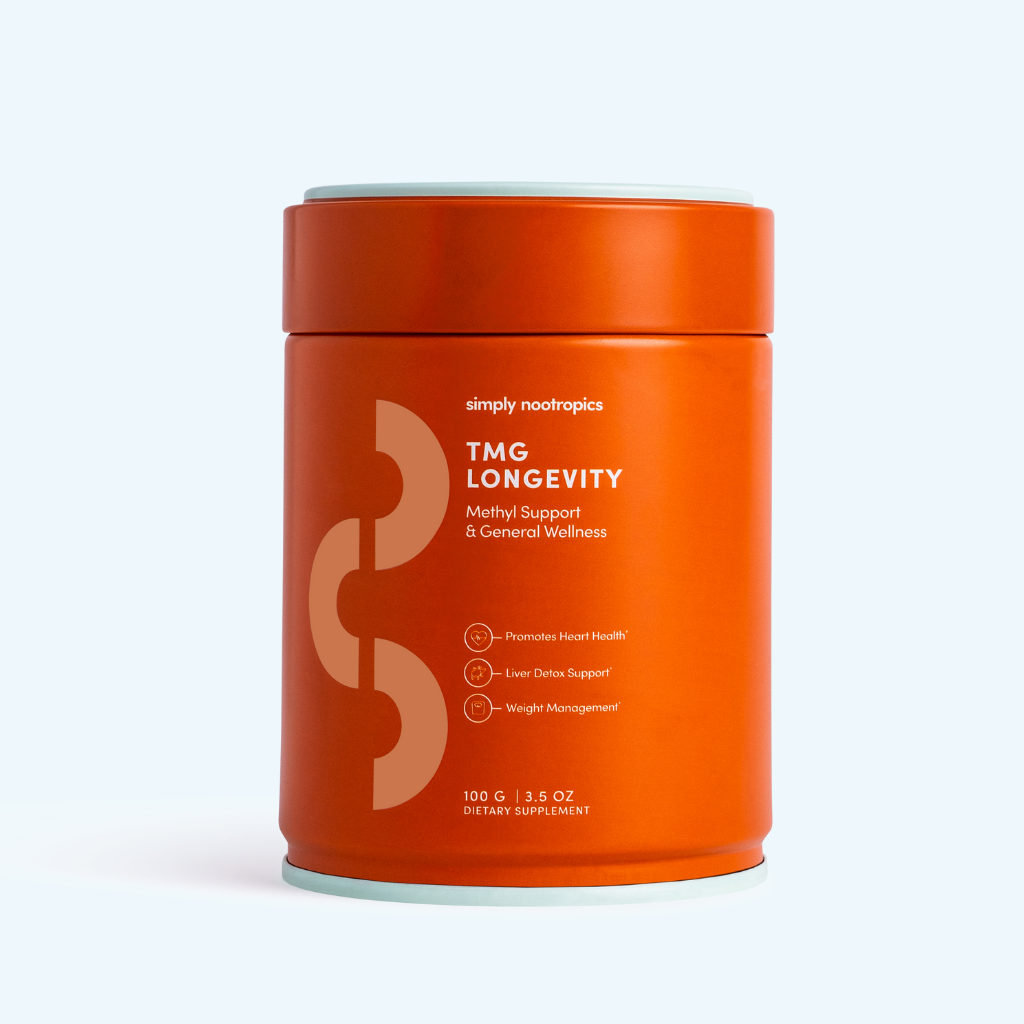
TMG, or trimethylglycine, is one of the most direct and well-researched methyl donors available. It supports the body's ability to carry out methylation efficiently, which has implications not just for energy and cognition but for cardiovascular health and long-term cellular function. The connection between methylation and healthspan is an area of growing scientific interest, and TMG sits at the centre of it.
The Gap Is Measurable and Shrinkable
Researchers studying populations with unusually long and healthy lives have consistently found a cluster of overlapping factors: strong social connection, low chronic stress, diets rich in whole foods, consistent low-intensity physical activity, and a sense of purpose. These populations do not just live longer, they stay functionally healthy for far more of those years than average.
What the science is increasingly revealing is that this is not purely genetic luck. It reflects an environment — internal and external — that supports cellular health over time. Inflammation stays lower. Cellular repair happens more efficiently. Energy production remains more consistent. The biology of decline is slower, not because these individuals avoided ageing, but because the conditions for healthy ageing were consistently present.
Building those conditions intentionally (through lifestyle, nutrition, sleep, and targeted supplementation) is exactly what the healthspan conversation is about.
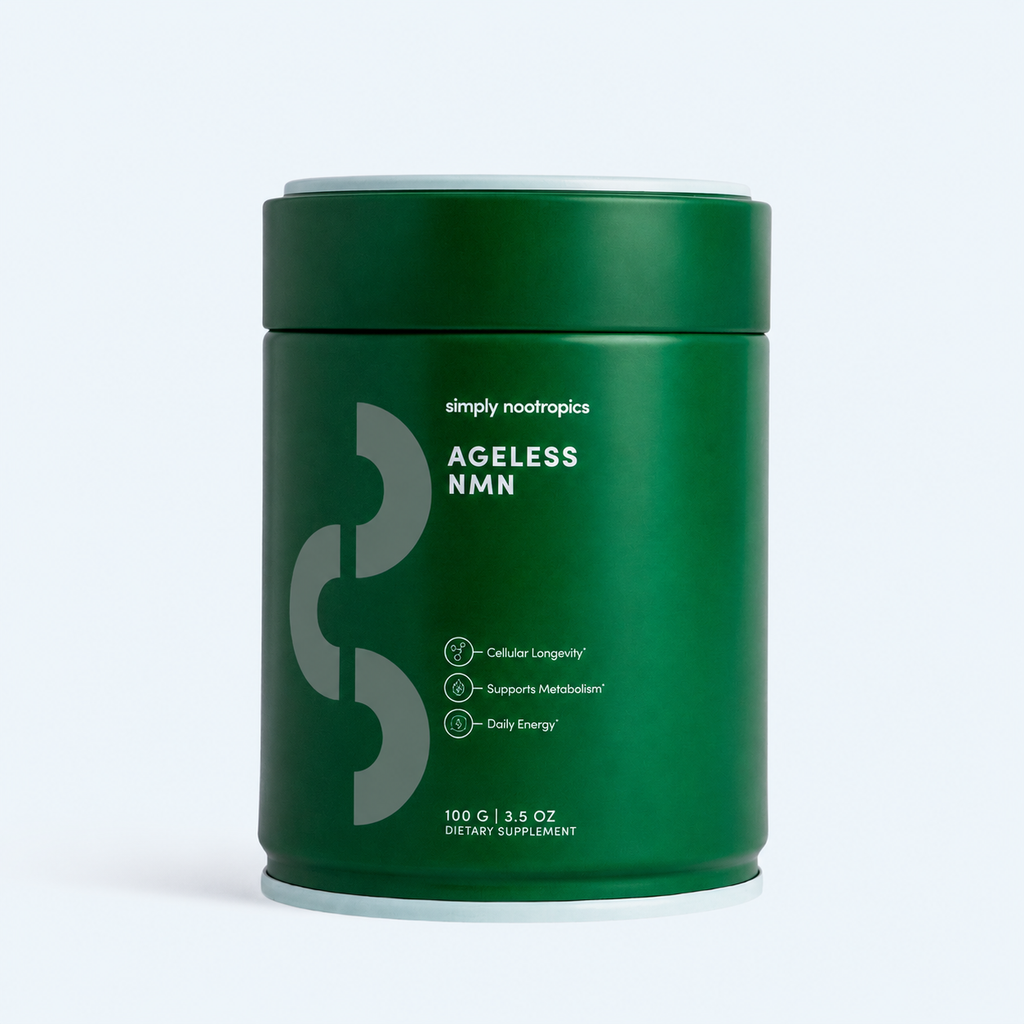
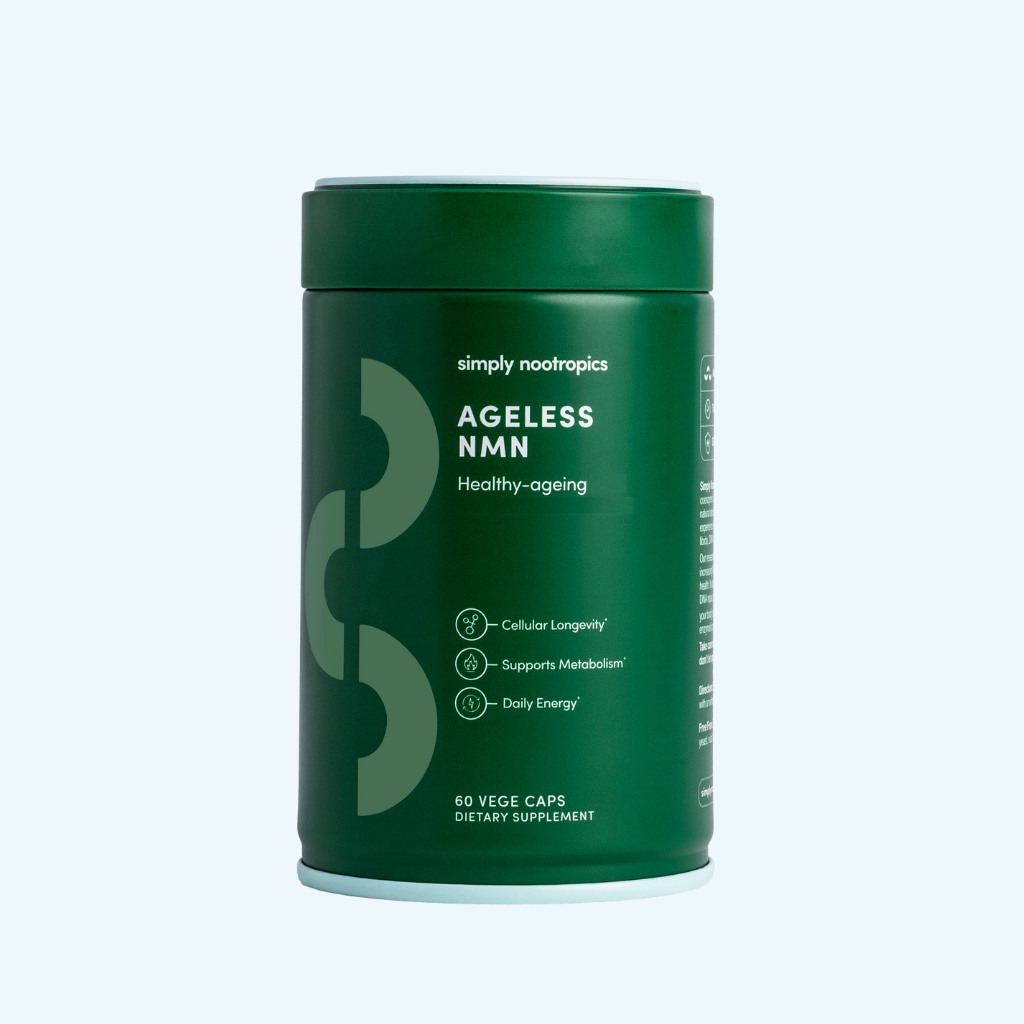
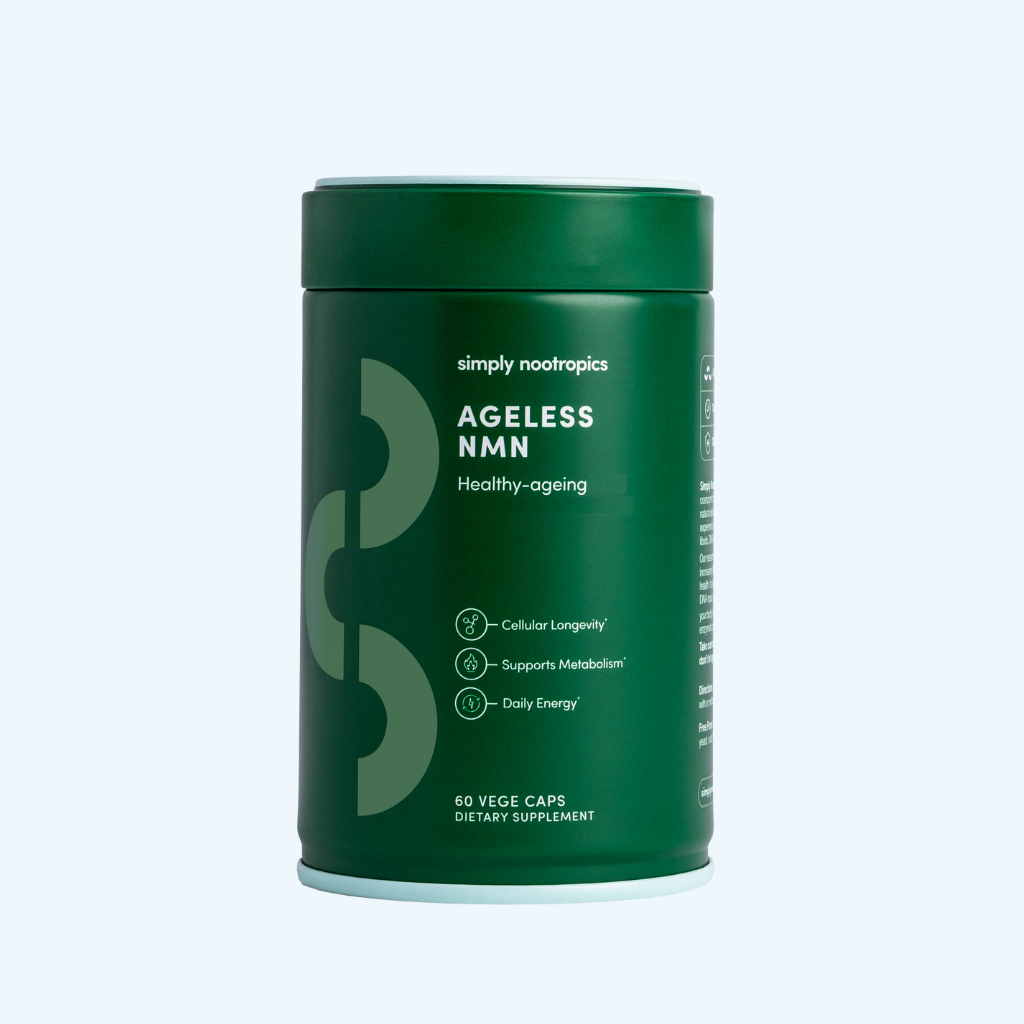
Ageless NMN
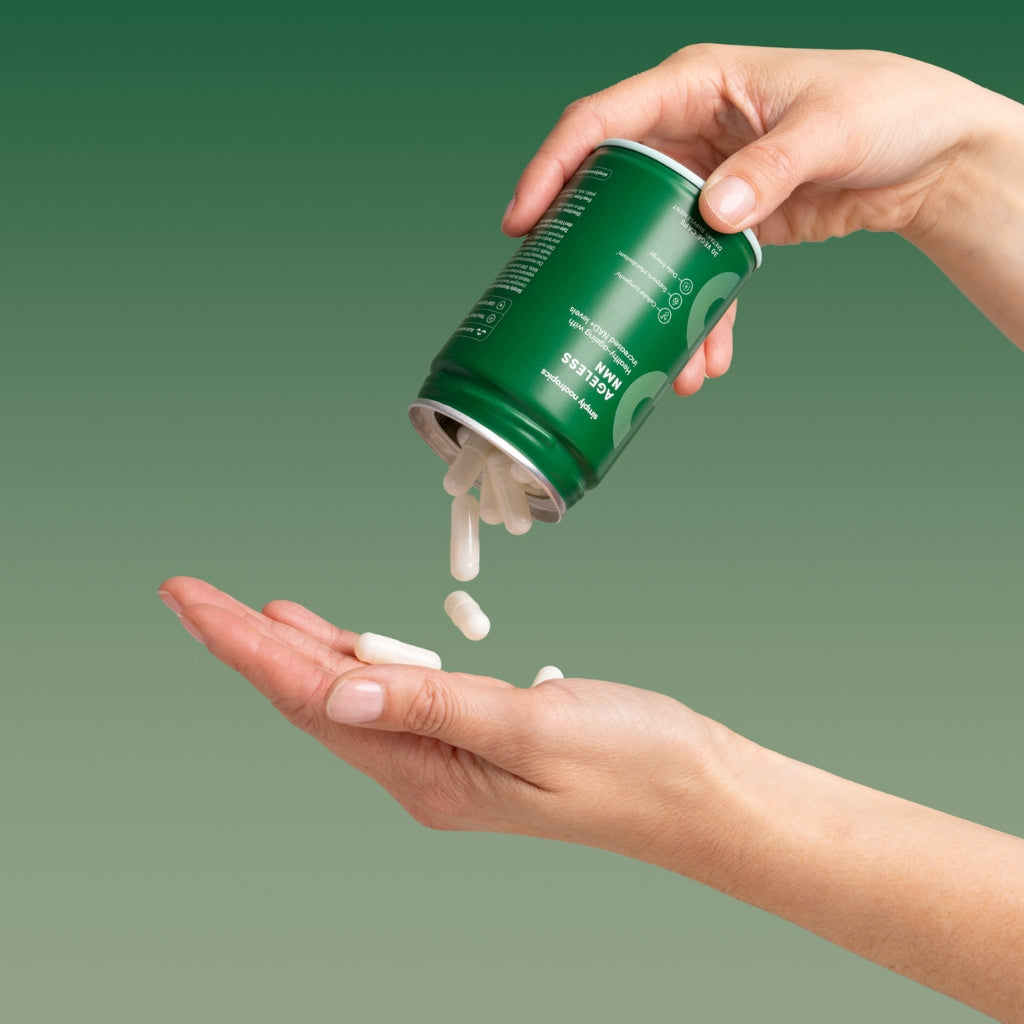
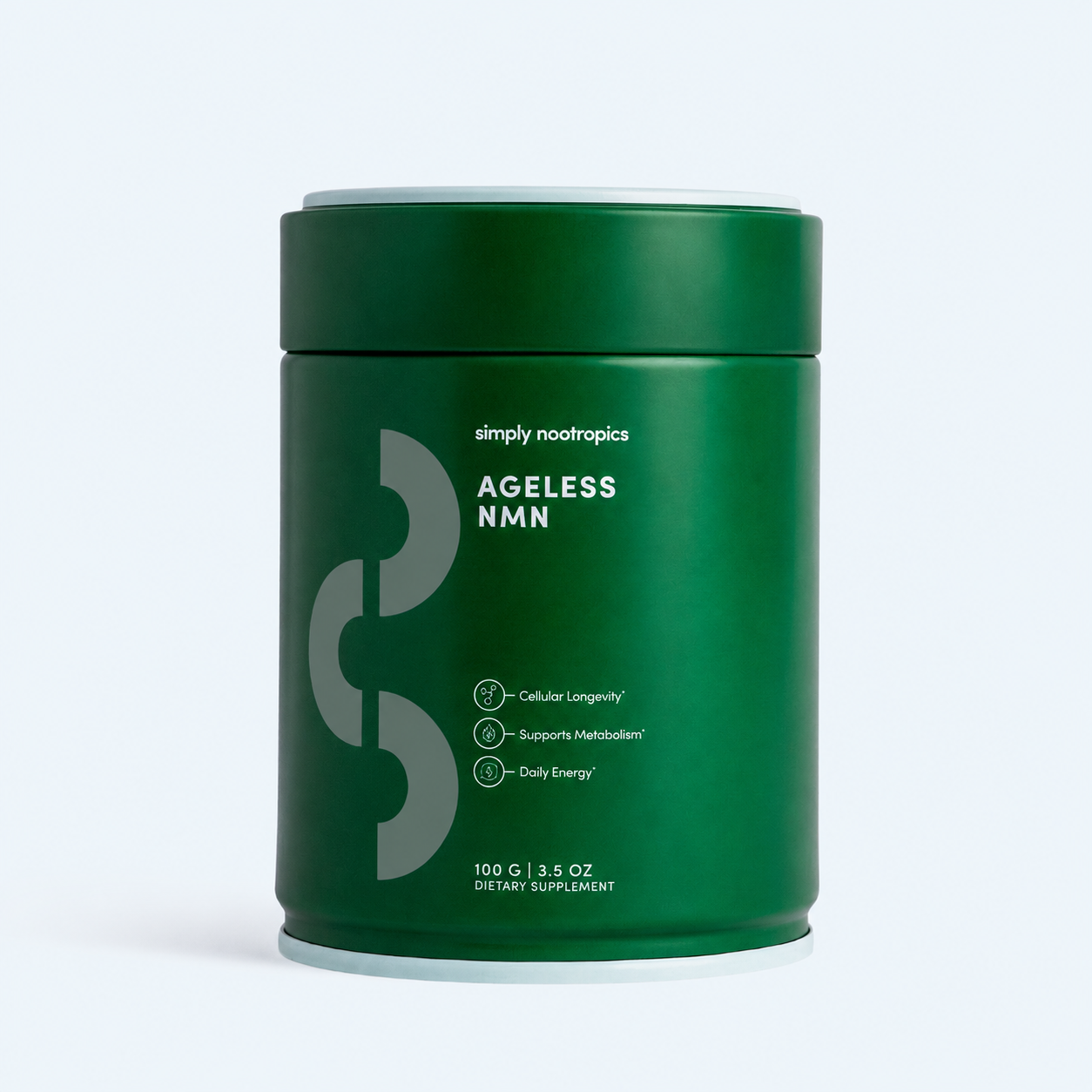
NMN Powder delivers 100% pure NMN in an unflavoured powder format designed to support NAD+ levels and the cellular energy production that underpins long-term vitality and cognitive function.
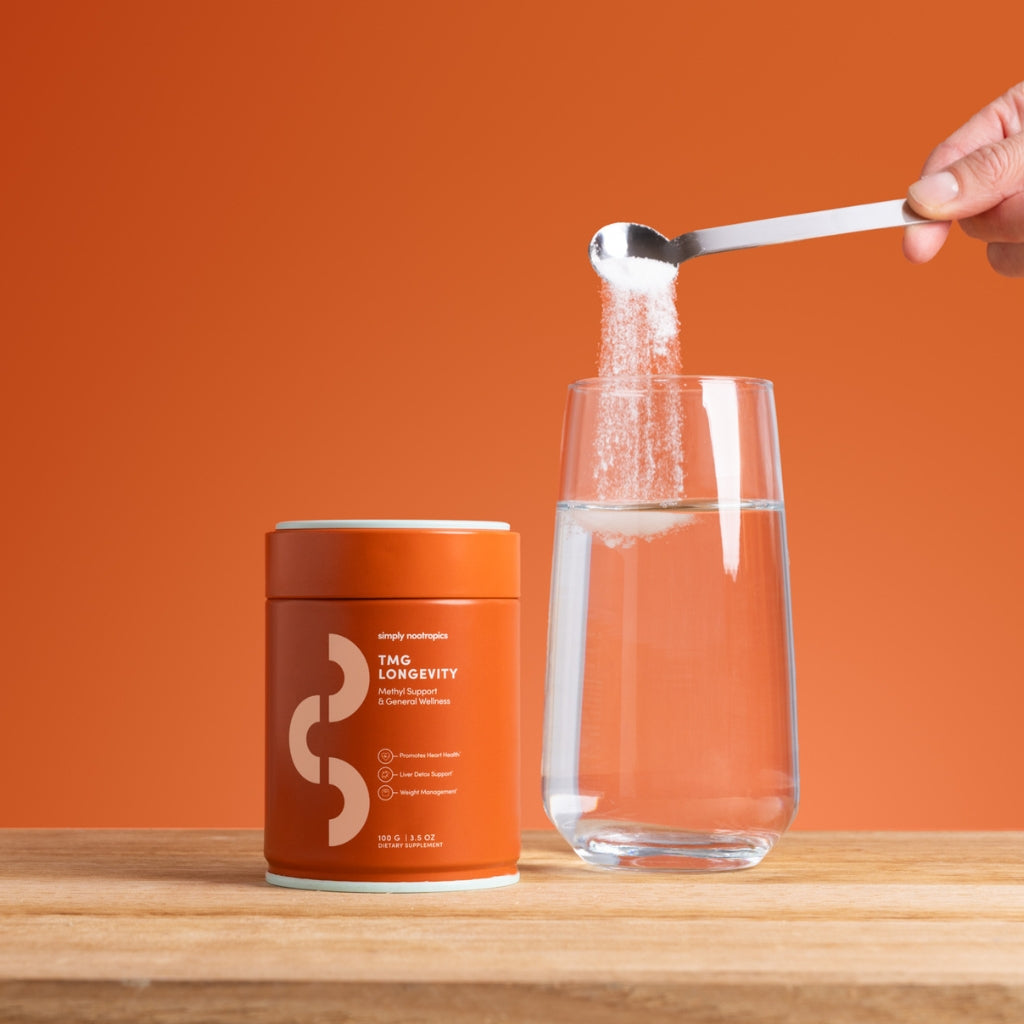
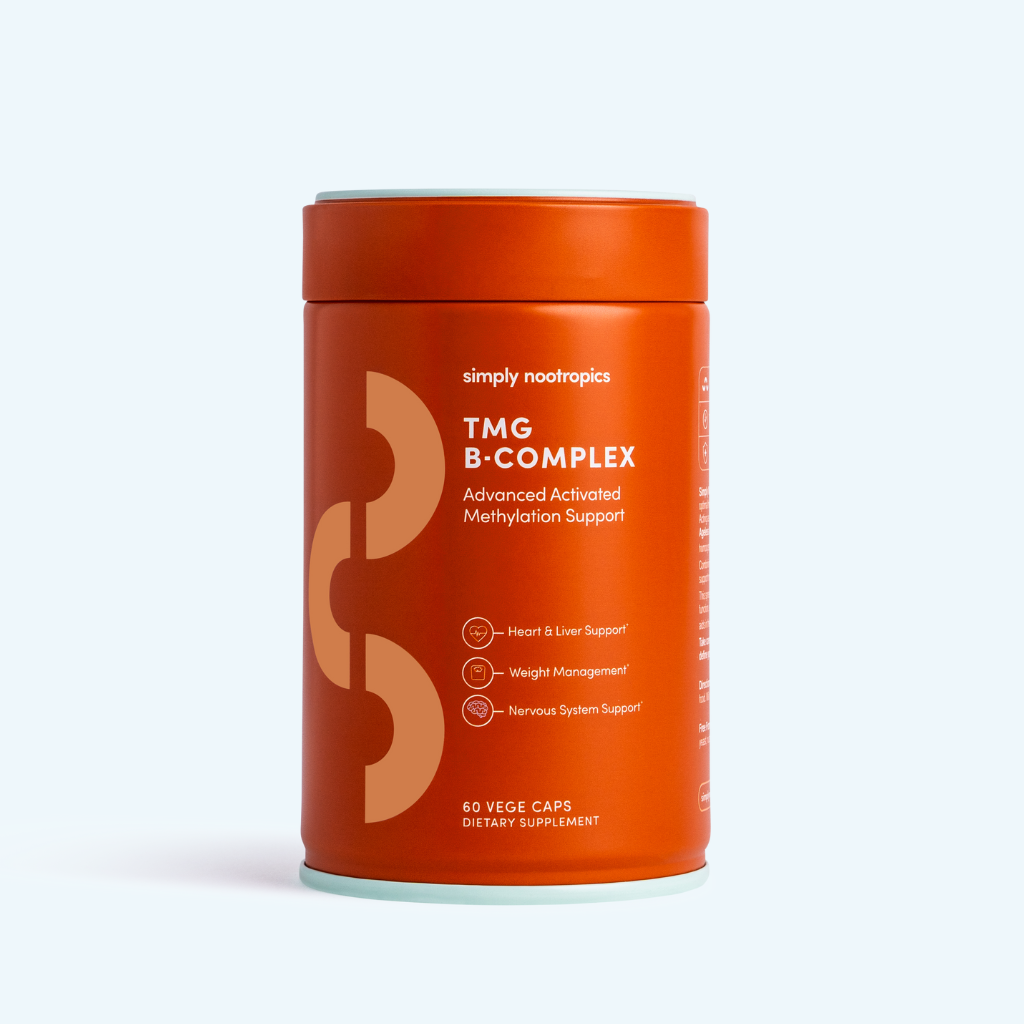
TMG Powder works alongside it as a methyl donor, supporting the methylation processes that are central to how well the body maintains itself over time. Every purchase of NMN Powder comes with TMG Powder included free, so you can start using both together from day one. Used as a pair, they address two of the most well-researched levers in the biology of healthy ageing, as consistent daily support for the years you actually want to live.